
Live Blogger: Camila Gonzalez Curbelo
Editor: Paola Medina-Cabrera, Ryan Schildcrout
This piece was written live during the 10th annual RNA Symposium, “RNA Frontiers: From Mechanisms to Medicine” hosted by the University of Michigan’s Center for RNA Biomedicine.
“Doesn’t everyone want to increase their memory?” asks Dr. Shelley Berger.
Understanding the mechanisms that drive memory loss and aging is precisely the motivation for Berger’s ongoing and exciting research. Dr. Shelley Berger is a scientist in the epigenetics field – the type of science that studies how genes can be regulated without altering the DNA sequence. Authoring high-impact publications in Nature, Science, and Cell, Dr. Berger is undoubtedly a world-renowned expert who has advanced our understanding of many basic biological pathways and has worked to translate this knowledge into applications in medicine and beyond.
As she begins her keynote speech at the 10th annual RNA Symposium, she recognized how outstanding art installations, such as Diego Rivera’s self-portraits, as exhibited in the Detroit Institute of Arts, can carefully depict what it means to age. Berger connects these reflections to her own scientific pursuits and the very innate idea of self-preservation: can deterioration and disease ever be inevitable?
Bridging biology and existentialism, Dr. Berger shares that one of the most remarkable examples of how the environment really affects epigenetics can be seen within the ant population. Worker ants, all of which are female, have a one year lifespan, whereas the queen ant can live up to 30 years, all while sharing the same genome as the worker ants. This intriguing variation in ant lifespan has made the scientific community wonder whether different lifestyles may impact aging.
Early work within her research group cemented the idea that epigenetics plays a fundamental role in aging. Their results have demonstrated that adding a small chemical tag called an acetyl group (CH3CO) to a single position on a protein, also referred to as an acetylation site, can impact the lifespan of that cell. By mapping where these acetylated proteins appear in the cell, Berger’s lab discovered that many of these are located in the nucleus, the compartment that houses our genetic material. There, they help the body generate small molecules called metabolites, at the chromatin level. This compacted structure forms chromosomes in the cell and is composed of DNA, RNA, and proteins. Most importantly, enzymes working in the nucleus can regulate gene expression, meaning they can help the cell determine which genes are switched on or off.
Berger’s group has been particularly interested in studying ACSS2, an enzyme that uses acetate, a substance produced by our bodies, to generate acetyl-CoA. Central to many biochemical reactions, acetyl-CoA helps drive the Krebs cycle for energy production in cells. In the brain, ACSS2 fuels the activation of many genes essential for learning and memory.
To explore the behavioral role of ACSS2, Berger’s laboratory sought to conduct a long-term memory test named “fear conditioning.” This involved placing mice in an arena where an auditory cue was played, followed by a mild foot shock. Over the course of the experiment, researchers observed whether the mice demonstrated a “conditioned response” by remembering the cue and reacting to it even when the shock was not given. Interestingly, these experiments revealed that removing ACSS2 did not affect working memory, the short-term memory that is used for immediate tasks, but it did overall lower the stability of long-term memory.
In an effort to better understand the results from the memory test, Berger’s lab looked more closely at the hippocampus, the region of the brain that plays a critical role in memory. The hippocampus contains a wide variety of cell types including neurons, types of cells that are experts in intracellular communication. Using RNA sequencing, a tool used to measure which genes are active and how strongly these are expressed in the cell, they found 65 genes whose activity overlapped with ACSS2. Many of these identified genes are involved in important pathways in neurological development, suggesting that increased activity of ACSS2, referred in molecular biology as “upregulation,” may help maintain the proper gene expression in brain cells.
Inspired by years of findings, Berger focused her efforts on developing ACSS2 as a biotherapeutic, specifically for diseases that are linked with negative memories. The promise was that ACSS2 inhibitors, drugs designed to reduce the enzyme activity, would effectively weaken negative memories. In theory, lowering ACSS2 and its effects could become a therapeutic strategy for diseases of addiction or post-traumatic stress disorder (PTSD). Their proposed approach would temporarily block ACSS2 during a short-term window enough to disrupt the recurrence of traumatic memories. However, Berger jokes, expressing how it turns out investors are not too fond of the idea of lowering memory. “Go figure!” she says.
Aside from this therapeutic proposal, there was promise in exploring how, rather than lowering ACSS2, elevating its activity could improve age-related memory decline. This idea was particularly relevant for the most common form of dementia, Alzheimer’s disease (AD), which is epigenetically interesting, as it involves the abnormal buildup of protein aggregates in the brain called plaque.
To explore this potential therapeutic approach, Berger’s group wanted to understand if low ACSS2 worsens AD pathology. They followed a common experimental model to study the disease, which involves injecting human AD-tau protein into the hippocampus of mice. After six months, tau plaques were already forming, and the mice experienced a reduced fear memory. Further analysis included performing single-nuclei RNA sequencing, a technique that measures only RNA found within the cell’s nucleus. It was found that Cajal-Retzius (CR), neurons important for proper brain development and neural organization, were largely affected with the AD-tau treatment and by the loss of ACSS2. This meant that when ACSS2 levels dropped, some of the brain cells that work to maintain healthy communication were more vulnerable to Alzheimer’s disease. We can think of these neurons as the structural support system for the brain. If the support system is weakened, as a result of insufficient ACSS2, then it is easier for memories to be disrupted.
Curious to see whether these AD defects could be reversed, Berger’s group explored variations in the mice lifestyle. When mice were placed on an acetate-rich diet, it was found that AD-tau mice saw an increase in memory whereas mice without ACSS2 did not experience any effects in memory. Furthermore, the increase, or overexpression, of ACSS2 in the hippocampus led to fewer tau aggregates, which deteriorate the brain tissue. With minimal tau spreading through the brain, researchers measured improvements in brain signaling by detecting changes in the brain electrophysiology as well as neural firing patterns, which were associated with improvements in healthy age-related memory loss. This overall suggests that boosting the ACSS2 enzyme leads to increased acetylation on histone proteins (the proteins which DNA is wrapped around), which in turn activates genes directly involved in learning and memory.
It is then through these epigenetic changes that memory recall can become long-lasting, which is indeed the goal therapeutics for age-related cognitive decline.
So, can ACSS2 be the key to extending lifespan? Breger ended her talk emphasizing that while the answer is still unfolding, we now understand ACSS2 is a promising therapeutic strategy that can improve neuronal health, specifically in respect to aging and memory-related disorders. As we continue to understand how cells regulate memory at the molecular level, scientists may eventually find new ways to preserve it.
On a personal note, I’m especially curious to see where this research leads, and whether we can learn from ants about longevity. After all, I wouldn’t mind adding an extra twenty years to my own lifespan!
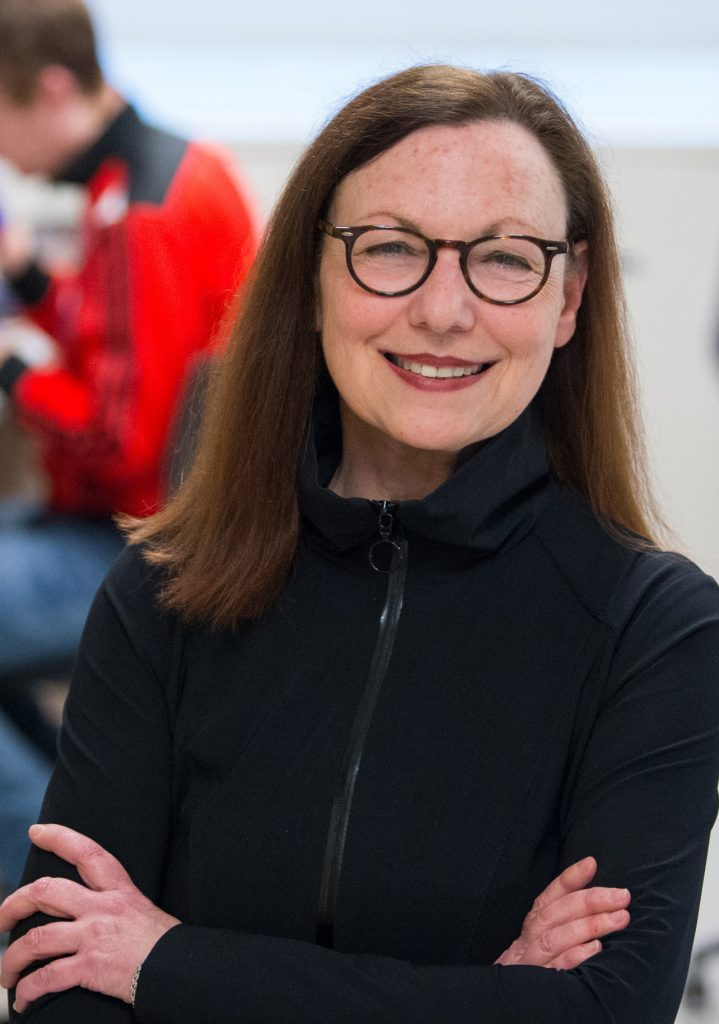
Shelley Berger is the Daniel S. Och University Professor at the University of Pennsylvania and the Director of the Epigenetics Institute at the Perelman School of Medicine. Dr. Berger earned her PhD from the University of Michigan and was a postdoctoral fellow at the Massachusetts Institute of Technology. She previously held the Hilary Koprowski Professorship at the Wistar Institute in Philadelphia. Nationally she received the Ellison Foundation Senior Scholar Award in Aging, the Glenn Foundation Award in Aging, and the HHMI Collaborative Research Award. Dr. Berger is an elected fellow of the American Academy of Arts and Sciences, the National Academy of Medicine, the American Association of Cancer Research, the Academy of Healthspan and Lifespan Research, and the National Academy of Sciences. She has been awarded the Outstanding Investigator Award (R35) from the NIH National Cancer Institute. Dr. Berger’s body of work over twenty-five years helped to launch the “modern era” of chromatin biology and epigenetics. Her early discoveries provided a framework and paradigm for mechanisms of histone and factor-modifying enzymes in gene regulation. Dr. Berger’s research over the last decade uncovered a vital role of epigenetic regulation in mammalian and human health, behavior, and disease, including pioneering discoveries of physiological functions of histone modifications in aging and senescence, cancer, T cell exhaustion, mammalian learning, and memory, as well as revealing a decisive role underlying organismal level behavior and aging in ant societies.
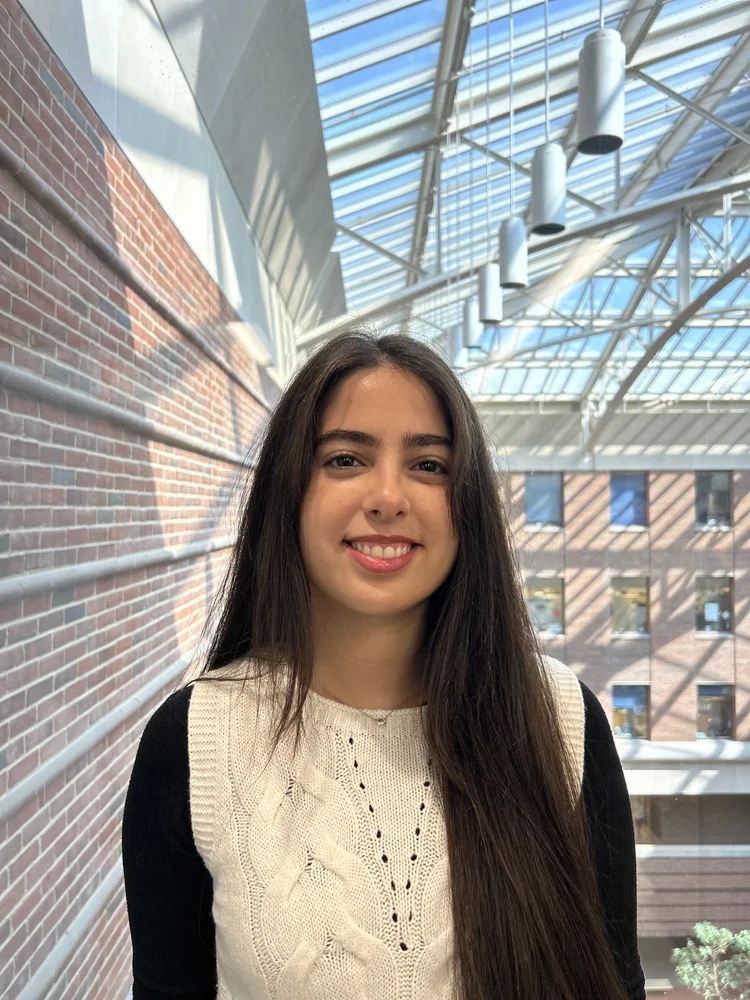
Camila Gonzalez Curbelo is a third year Chemistry Ph.D. candidate in Dr. Ryan Bailey’s lab. She is currently developing a droplet microfluidics platform to detect heavy metals in drinking water. When she’s not running experiments or making science memes for her labmates, you’ll likely find her traveling, playing tennis, or dancing salsa. She is excited to continue writing, editing and soon translating pieces into Spanish with the support of the wonderful MiSciWriters team!

 misciwriters.com