The Invisible Rainbow: Why Your Red Might Not Be My Red

Written by Hyunwoo Jang
Edited by Jeremy Chen and Alex Ford
Illustrated by Naomi Raicu

Introduction

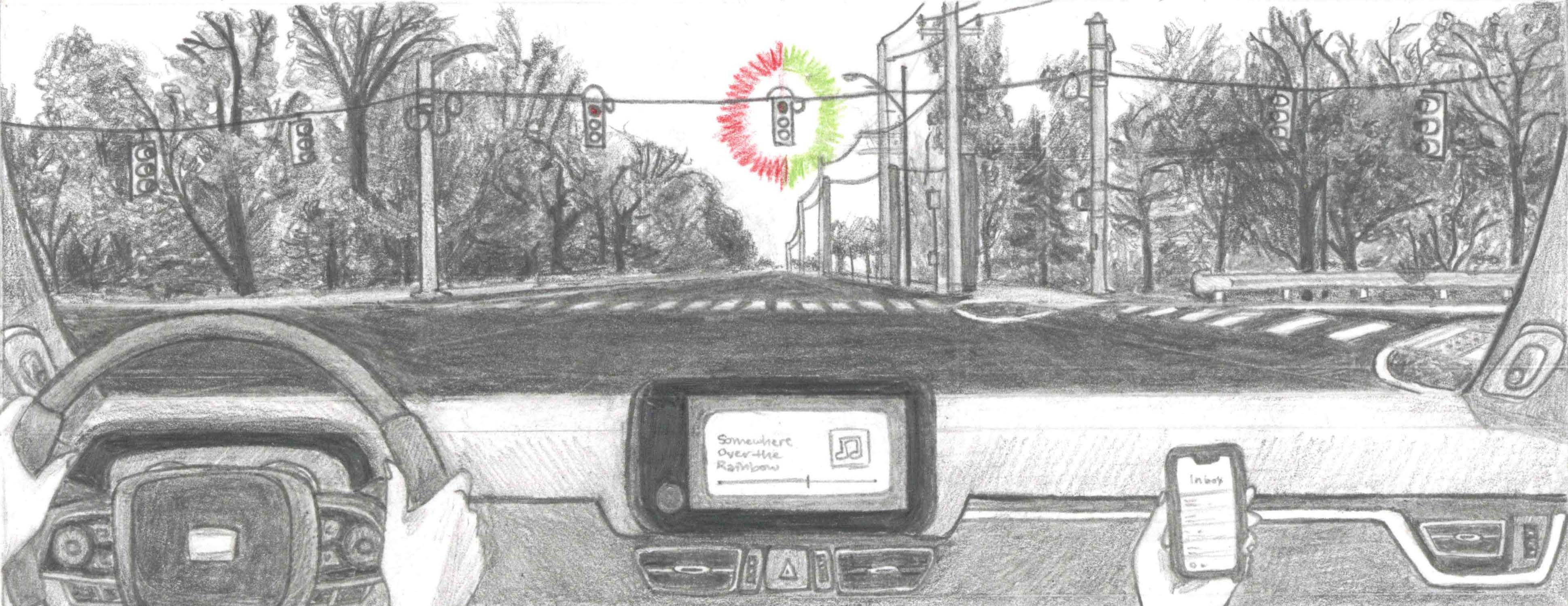
Imagine yourself in the driver’s seat, approaching an intersection. The traffic light ahead shifts from green to yellow, then quickly to red. Almost without thinking, your foot moves to the brake, and your car rolls to a stop. It’s a routine gesture – an automatic response when you perceive a red light. But consider: what exactly are you experiencing when you see that red light? We all learn to stop at red, yet can we be sure that the “redness” you perceive is the same as someone else’s? On the surface, everyone seems to agree on what “red” means, but perhaps your experience of red differs from mine, even if we both call it by the same name.

This seemingly trivial question opens a fascinating doorway into one of science’s deepest mysteries: consciousness. Each of us lives within our own first-person perspective. We are aware of our surroundings, feelings, and thoughts. We often take this for granted – a notion captured by Descartes’ “I think, therefore I am.” Yet consciousness remains remarkably elusive and poorly understood by today’s science.1 Despite the ability to measure and describe the brain’s physical processes, the subjective quality of experience – what it feels like to see red – remains fundamentally mysterious.2 How do neurons firing electrical signals translate into the rich tapestry of perception that fills our waking moments?

Known facts of color perception

To explore the mystery of subjective color experience, it’s helpful to first understand how color perception works from a scientific perspective. Color begins with light – specifically, electromagnetic waves of different wavelengths.3 The visible spectrum spans roughly 400 to 740 nanometers (nm): waves near the lower end (~400nm) are perceived as violet to blue, while those toward the upper end (~740nm) appear orange to red. When light waves reflect off an object and enter your eye, they strike the retina at the back, where specialized photoreceptor cells called cones are activated.4 Humans typically have three types of cones, each most sensitive to a different part of the light spectrum: one for blue, one for green, and one for red – and like a painter mixing primary colors to create their palette – all the colors you will ever see arise from different combinations of these three cones activating That’s why color blindness occurs when one or more types of these cones are missing or malfunctioning – leading to difficulties in distinguishing certain colors – most commonly red and green.5

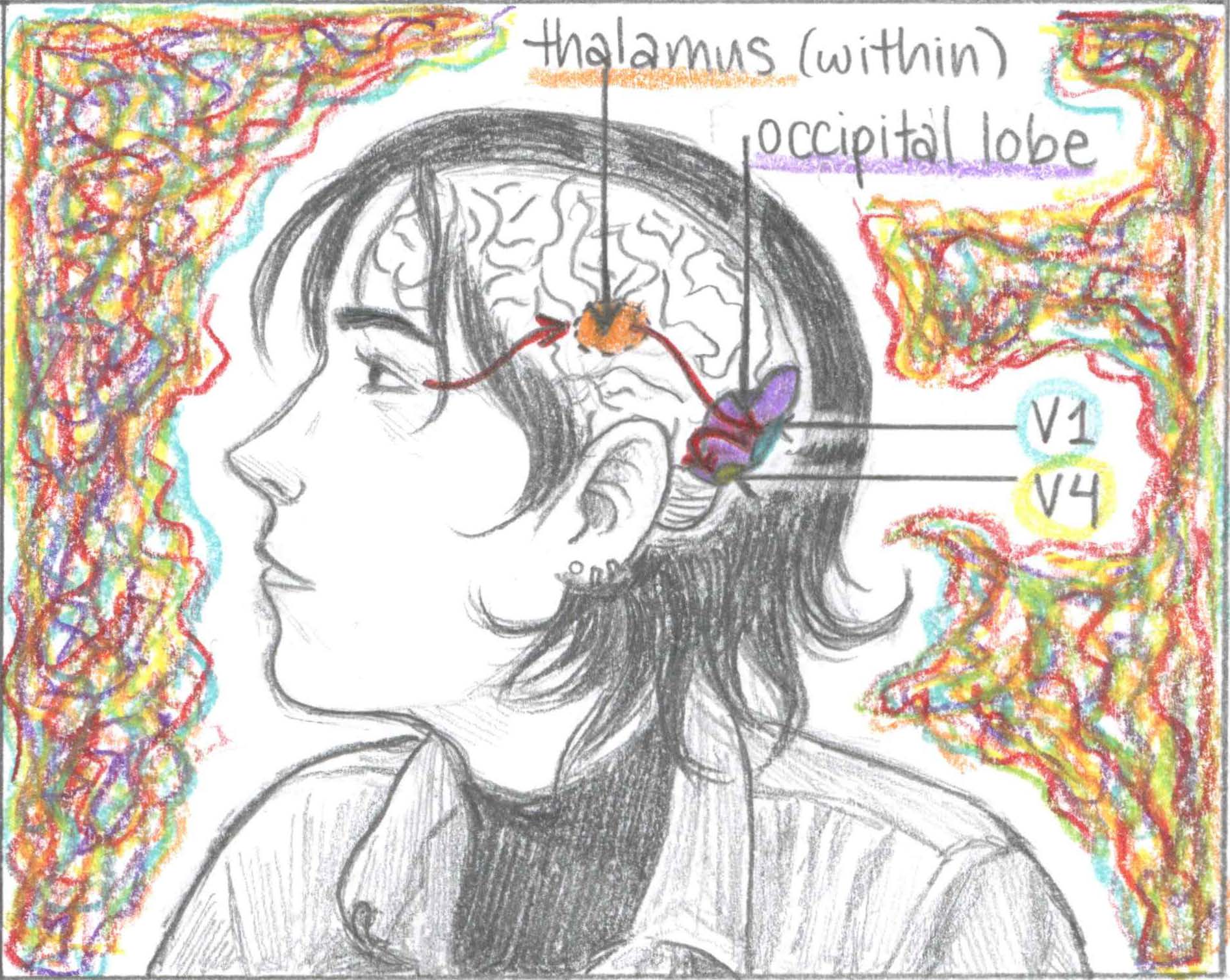
Once these cones detect light of their preferred wavelength, they convert it into electrical signals that travel back along the optic nerve.6 These signals are routed through the thalamus to the primary visual cortex (V1) at the back of your brain,7 before then passing onto regions like the 4th visual area (V4),  which play a critical role in shaping our perception of color8 Other brain regions integrate color signals with context, memory, attention, and even emotion, enriching the raw sensory input into the vivid experiences we recognize as a “color”.9–11

The Inverted Spectrum

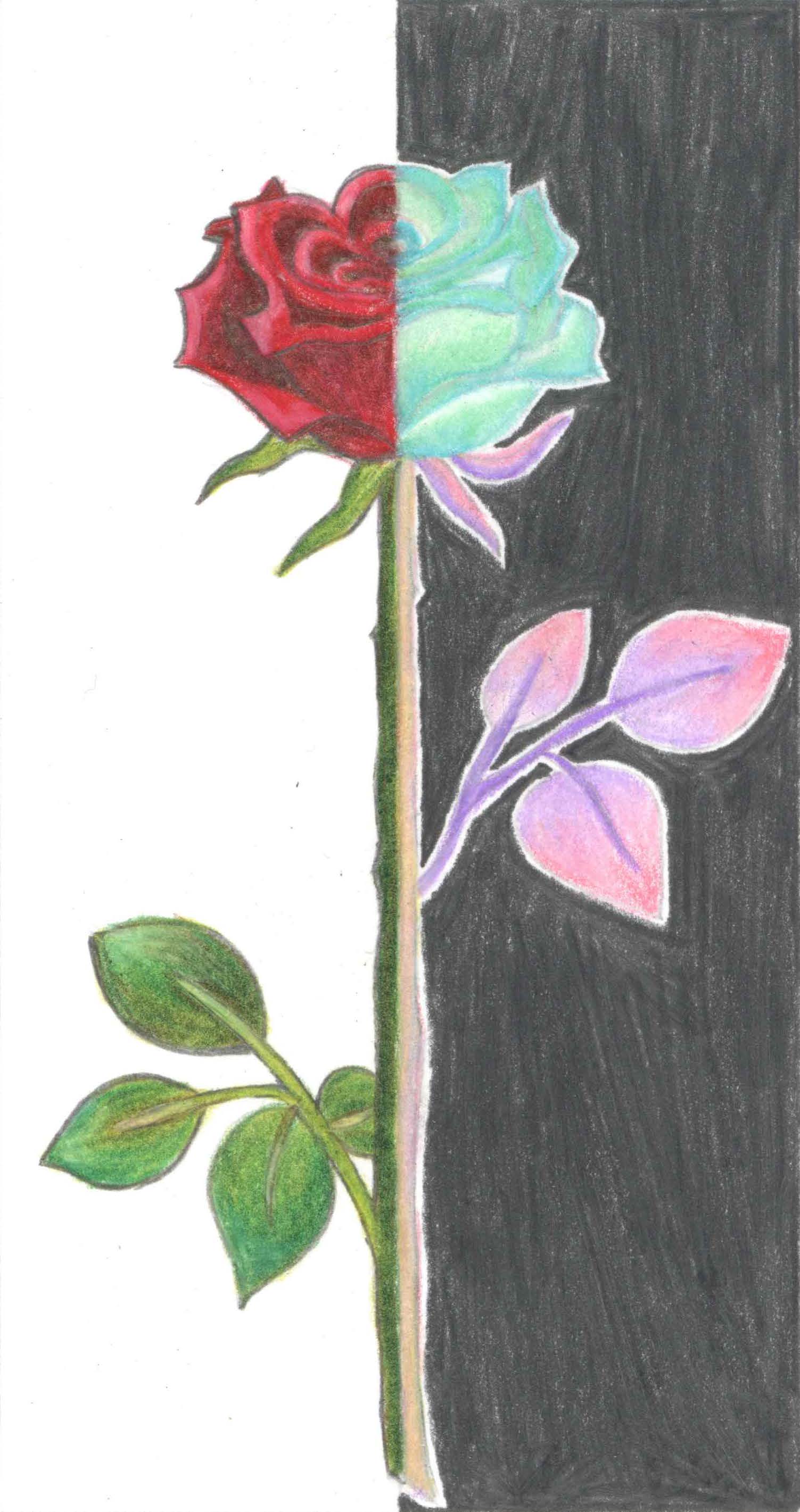
However, today’s science has no direct way to access the subjective contents of another person’s mind. This is what philosopher Joseph Levine called the “explanatory gap”: the disconnect between our understanding of the brain’s structure and physical processes, and the internal experiences that arise from it12,13. In theory, we cannot logically rule out the possibility that two people experience light with the same wavelength differently. To illustrate this, philosopher John Locke first proposed the inverted spectrum thought experiment in the 17th century14. In essence, your experience of “red” might correspond in your friend’s mind to what you would call “green”.15 Yet, you both learn to label that wavelength “red” by associating it with stoplights, apples, or roses, never by comparing internal experiences directly. As a result, any such inversion would go completely undetected.

What makes the inverted spectrum especially intriguing is that, unlike color blindness – which results from physical deficiency in cone cells – this thought experiment asks whether two people with fully functional visual systems might still have different subjective experiences. It’s like wondering if we’re all walking around with a secret, personalized color filter in our heads – a thought that might make you look at the next person wearing a “hideous” color combination with a bit more sympathy.

Definition of qualia

This hidden, first-person quality of perception is captured by the concept of qualia.2 Qualia are the subjective “what-it-is-like” of seeing red, feeling pain, or tasting sweetness. They are the internal units of conscious experience. While some may argue that qualia are illusory16–18, or just byproducts of neural processes limited by our current understanding of the brain19 – it is apparent that they are more than simply informational outputs of neural circuits; they are the lived sensations that only the experiencing subject can access.

Since the 1990s, the concept of subjective experience as a vital feature of consciousness has gained momentum20. Although precise definitions remain elusive, qualia pose a core challenge for any comprehensive theory of mind. This trend has driven researchers to confront the so-called “hard problem” of linking first-person experiences with third-person measurements of brain activity, bringing the debate about qualia from the philosophical margins to the forefront of scientific inquiry21–23.

Qualia space

Recently, a research team led by Dr. Naotsugu Tsuchiya explored a concept called “qualia space24.” It is a framework that treats qualia as if they were points in a kind of mental map, where the spatial distances between them reflect how similar or different they feel25. For example, is your experience of “orange” somehow “located” between your experiences of “red” and “yellow”? By asking participants to rank the similarity between color combinations, a personalized map of color experiences forms.

In a recent study, Tsuchiya’s team collected color similarity judgments from children of various ages and cultures26. Their findings revealed a striking consistency in the structure of color qualia space across all groups. This suggests that while your personal experience of “red” might differ from someone else’s, the relationships between colors – the way orange feels between red and yellow – are remarkably stable across humans. In other words, even if my “red” is your “green,” my “orange” would likely be your “blue-green”: the relational pattern stays intact.

Excitingly, this method isn’t limited to color: similar approaches are being used to map qualia spaces for sounds, smells, and even complex emotional or bodily experiences27,28. Ultimately, researchers hope these local qualia spaces can be integrated to better understand how diverse sensory experiences merge into a unified conscious experience29. The qualia space concept can also be applied to brain imaging. By visualizing brain activity with magnetic resonance imaging (MRI) scans, and combining that with similarity rankings, scientists can construct a “neural qualia space,” mapping brain patterns that correspond to specific qualia30. This allows researchers to directly relate subjective experiences to measurable neural activity – progress toward uncovering the elusive “neural correlates of consciousness”31. Thus, the combination of qualia space with neuroimaging may allow us to “translate” between the language of neurons and the language of experience.

Additional questions about consciousness and qualia

Inquiry into consciousness and qualia has practical relevance in today’s world of advanced artificial intelligence. Most experts believe that current AI systems like ChatGPT do not truly experience qualia, since they merely manipulate symbols and patterns to mimic human-like reasoning32. However, at the core of ChatGPT’s architecture, language is represented in an abstract space where relationships between words are mapped – this is what the system learns during training33,34. For example, it learns that the relationship between “king” and “queen” is similar to that between “prince” and “princess,” forming something akin to a language qualia space. Now, emerging multi-modal AI systems integrate sensory inputs such as vision, speech, and tactile feedback, mirroring the multidimensional nature of human perception35–37. If such an AI system builds its own structured representation – similar to a qualia space – across multiple modalities, could we confidently say it remains non-conscious? These questions push the boundaries of our understanding of consciousness, ethics, and what it might mean in the future to coexist with entities that may one day claim sentience.

Conclusion

The concept of qualia reminds us that consciousness remains one of the final frontiers of human knowledge. While we’ve made remarkable progress in understanding the brain’s physical processes, the subjective nature of experience – why there is “something it is like” to see red or feel pain – continues to elude scientific explanation38. Interestingly, most of us (even neuroscientists!) rarely reflect on this profound mystery, even though it is the foundation of every waking moment39. So the next time you’re waiting at a red light, take a moment to marvel not just at the color, but at the astonishing fact that you can experience it at all: the dance of sunlight through leaves, the layered scent of a forest, the emotional pull of music. Each represents a miracle of consciousness that science is only beginning to understand.


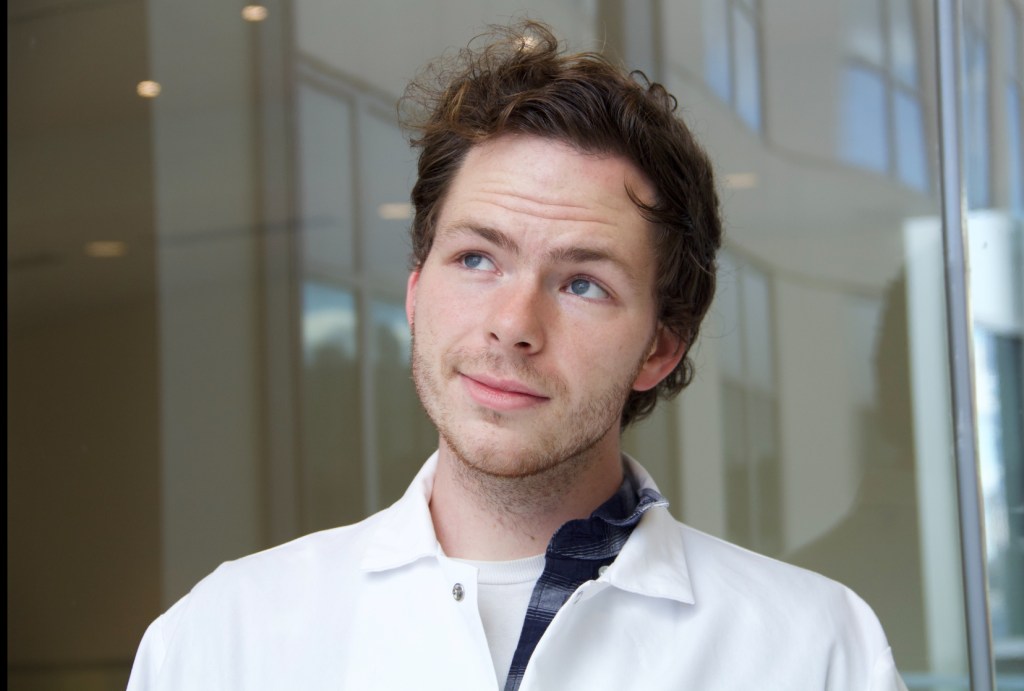
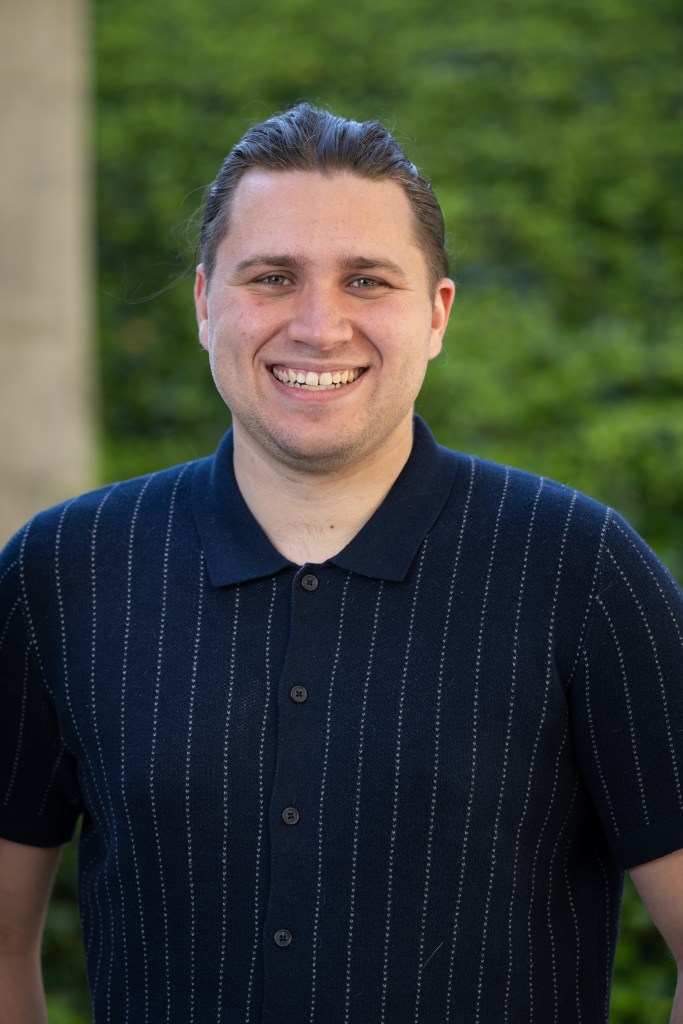
Hyunwoo Jang is a Ph.D. candidate in the Neuroscience Graduate Program at the University of Michigan and a researcher with the university’s Center for Consciousness Science. He is also the founder and current president of the Korea Association for Consciousness Sciences. His work focuses on how large-scale brain networks reorganize across different states of consciousness. Beyond the lab, he is an active freelance translator and author.


References

  1. The Science of Consciousness. (Routledge, London, 2003). doi:10.4324/9780203360019.
  2. Kanai, R. & Tsuchiya, N. Qualia. Current Biology 22, R392–R396 (2012).
  3. Waldman, G. Introduction to Light: The Physics of Light, Vision, and Color. (Courier Corporation, 2002).
  4. Nathans, J. The Evolution and Physiology of Human Color Vision: Insights from Molecular Genetic Studies of Visual Pigments. Neuron 24, 299–312 (1999).
  5. Hunt, D. M. & Carvalho, L. S. The Genetics of Color Vision and Congenital Color Deficiencies. in Human Color Vision (eds. Kremers, J., Baraas, R. C. & Marshall, N. J.) 1–32 (Springer International Publishing, Cham, 2016). doi:10.1007/978-3-319-44978-4_1.
  6. Meister, M. & Berry, M. J. The Neural Code of the Retina. Neuron 22, 435–450 (1999).
  7. Kandel, E. R., Schwartz, J. H. & Jessell, T. Principles of Neural Science, Fourth Edition. (McGraw-Hill Companies,Incorporated, 2000).
  8. Heywood, C. A., Gadotti, A. & Cowey, A. Cortical area V4 and its role in the perception of color. Journal of Neuroscience 12, 4056–4065 (1992).
  9. Zeki, S. & Marini, L. Three cortical stages of colour processing in the human brain. Brain: a journal of neurology 121, 1669–1685 (1998).
  10. Tootell, R. B., Nelissen, K., Vanduffel, W. & Orban, G. A. Search for color ‘center (s)’in macaque visual cortex. Cerebral Cortex 14, 353–363 (2004).
  11. Parra, M. A., Della Sala, S., Logie, R. H. & Morcom, A. M. Neural correlates of shape–color binding in visual working memory. Neuropsychologia 52, 27–36 (2014).
  12. Levine, J. Materialism and qualia: The explanatory gap. Pacific philosophical quarterly 64, 354–361 (1983).
  13. Humphrey, N. Seeing Red: A Study in Consciousness. (Harvard University Press, 2006). doi:10.4159/9780674038905.
  14. Locke, J. An Essay Concerning Human Understanding. (Samuel Marks, 1825).
  15. Shoemaker, S. The inverted spectrum. The Journal of Philosophy 79, 357–381 (1982).
  16. Dennett, D. C. Consciousness Explained. (Hachette+ORM, 2018).
  17. Sarıhan, I. Deflating the hard problem of consciousness by multiplying explanatory gaps. Ratio 37, 1–13 (2024).
  18. Frankish, K. Illusionism: As a Theory of Consciousness. (Andrews UK Limited, 2017).
  19. Churchland, P. M. Reduction, qualia, and the direct introspection of brain states. The journal of philosophy 82, 8–28 (1985).
  20. Seth, A. K. Consciousness: The last 50 years (and the next). Brain and Neuroscience Advances 2, 2398212818816019 (2018).
  21. Chalmers, D. The Hard Problem of Consciousness. in The Blackwell Companion to Consciousness (eds. Schneider, S. & Velmans, M.) 32–42 (Wiley, 2017). doi:10.1002/9781119132363.ch3.
  22. Seth, A. K. & Bayne, T. Theories of consciousness. Nat Rev Neurosci 23, 439–452 (2022).
  23. Dennett, D. C. Sweet Dreams: Philosophical Obstacles to a Science of Consciousness. (MIT Press, 2005).
  24. Tsuchiya, N., Phillips, S. & Saigo, H. Enriched category as a model of qualia structure based on similarity judgements. Consciousness and Cognition 101, 103319 (2022).
  25. Kawakita, G., Zeleznikow-Johnston, A., Takeda, K., Tsuchiya, N. & Oizumi, M. Is my “red” your “red”?: Evaluating structural correspondences between color similarity judgments using unsupervised alignment. iScience 28, (2025).
  26. Moriguchi, Y. et al. Comparing color qualia structures through a similarity task in young children versus adults. Proc. Natl. Acad. Sci. U.S.A. 122, e2415346122 (2025).
  27. Welch, D. et al. Assessment of qualia and affect in urban and natural soundscapes. Applied Acoustics 180, 108142 (2021).
  28. Castro, J. B., Ramanathan, A. & Chennubhotla, C. S. Categorical dimensions of human odor descriptor space revealed by non-negative matrix factorization. PloS one 8, e73289 (2013).
  29. Edelman, G. M. & Tononi, G. A Universe Of Consciousness: How Matter Becomes Imagination. (Basic Books, 2008).
  30. Hirao, T. et al. A neuroimaging dataset during sequential color qualia similarity judgments with and without reports. Scientific Data 12, 389 (2025).
  31. Koch, C., Massimini, M., Boly, M. & Tononi, G. Neural correlates of consciousness: progress and problems. Nat Rev Neurosci 17, 307–321 (2016).
  32. Gouveia, S. S. & Morujão, C. Phenomenology and artificial intelligence: introductory notes. Phenom Cogn Sci 23, 1009–1015 (2024).
  33. Sharma, P., Jyotiyana, M. & Kumar, A. V. Applications, Challenges, and the Future of ChatGPT. (IGI Global, 2024).
  34. Wu, T. et al. A brief overview of ChatGPT: The history, status quo and potential future development. IEEE/CAA Journal of Automatica Sinica 10, 1122–1136 (2023).
  35. Liang, P. P. Brainish: Formalizing A Multimodal Language for Intelligence and Consciousness. Preprint at https://doi.org/10.48550/arXiv.2205.00001 (2022).
  36. Mogi, K. Artificial intelligence, human cognition, and conscious supremacy. Frontiers in psychology 15, 1364714 (2024).
  37. Solms, M. The Hidden Spring: A Journey to the Source of Consciousness. (W. W. Norton & Company, 2021).
  38. Nagel. What Is It Like to Be a Bat? The Philosophical Review (1974).
  39. Wallace. The Taboo of Subjectivity: Toward a New Science of Consciousness. Oxford University Press (2004).

Life on the Edge: The Fine Balance Between Clotting and Bleeding

Written by Krista Goerger
Edited by Dana Messinger and Kate Giffin
Illustrated by Jess Li

“I am small, but I am mighty. Even if no one sees me, I know I make a difference.” Pippa the Platelet repeated her affirmations as a swell of pride and nerves consumed her. Mama Meg smiled gently, knowing that the last connection between them was about to be pinched off, releasing Pippa into the bloodstream.1

Then the tether broke, and Pippa was swept away into the blood’s swift current.2 Pippa waved goodbye. Mama Meg, a magnificent megakaryocyte, would stay in the bone marrow, continuing her noble task of assembling and preparing her 3,000 platelet progeny.3 The moment was bittersweet, but Pippa was comforted knowing parts of Mama Meg would always be with her.

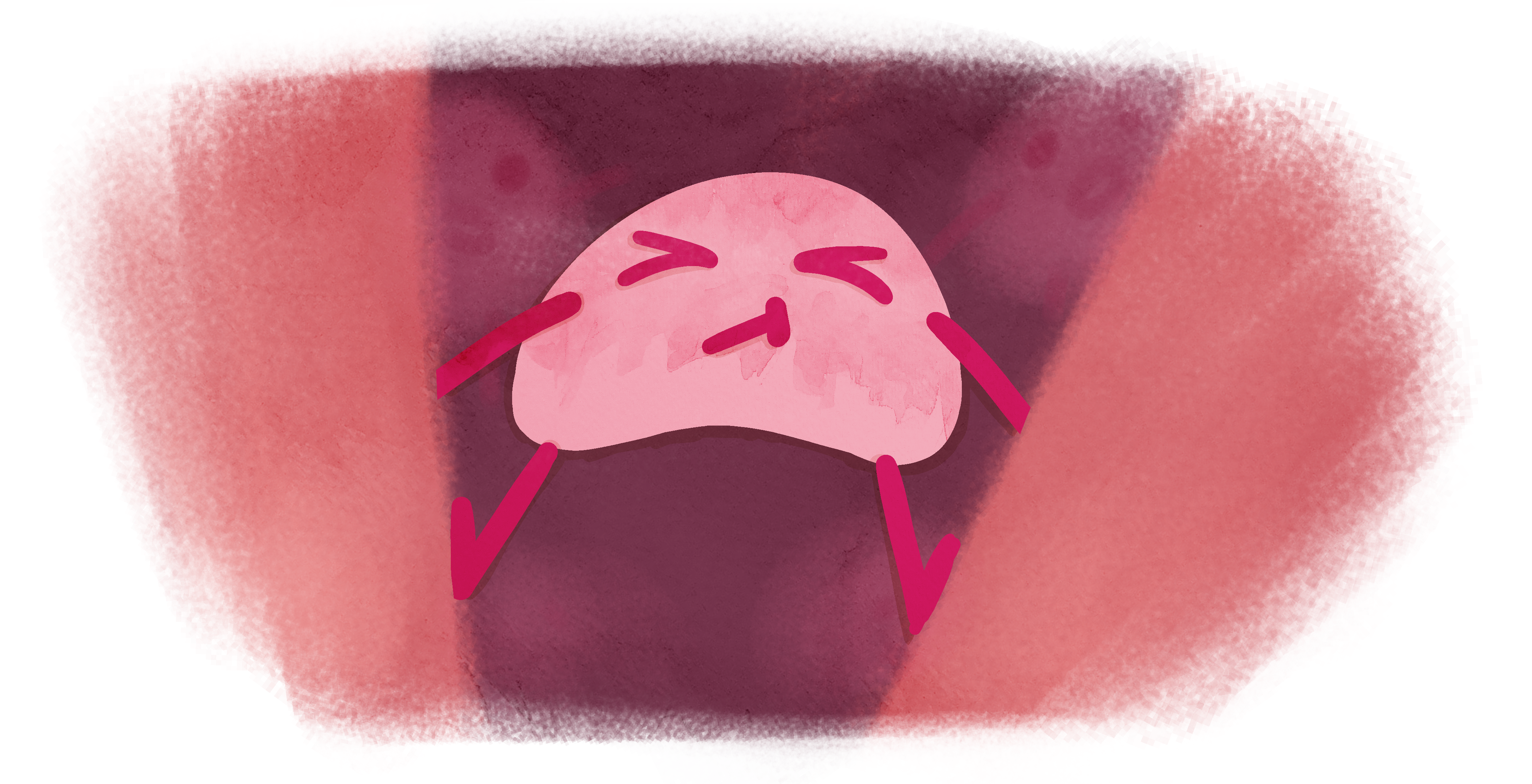
Mama Meg had given her all she needed to form a blood clot: feet to anchor, arms to reach for the wounds, signals to rally help, hands to grab on, and strength to pull a wound shut. Pippa understood her purpose – to protect her human by detecting injuries and forming blood clots to stop bleeding.4 Easy in theory, but timing was everything. Clot too early and she might cause a heart attack or stroke.5 Wait too long and her human could bleed out.

Clotting is a serious business, so Platelet Prep School boils it down to three golden rules to help every platelet pal make the right call in a flash!

#1: Stay alert and ready. A human can get injured anytime, anywhere. Always be on the lookout and be prepared to spring into action.

#2: Do not panic. If something looks different, take a deep breath, take in all the information, and make an informed decision. Only act when there’s real danger.

#3: Stick with a purpose and signal the squad. A cut? A scrape? That’s your time to shine. Anchor to the injury and signal for help, clotting is a team sport.

Repeating these rules, Pippa felt a spark of courage ignite. She was ready to step into the beautiful, complex dance of life in the bloodstream. She stood a little taller – well, as tall as a platelet could.

As Pippa took in her surroundings, the rushing river of red in her new world surged around her – fast, vibrant, and immense. The scale of everything was staggering, bigger than she’d imagined. Her mom had warned her she’d be small, but Pippa hadn’t expected to feel like a golf ball bobbing in a pool of beach balls.6 “I am small, but I am mighty,” she reminded herself with a determined little puff.

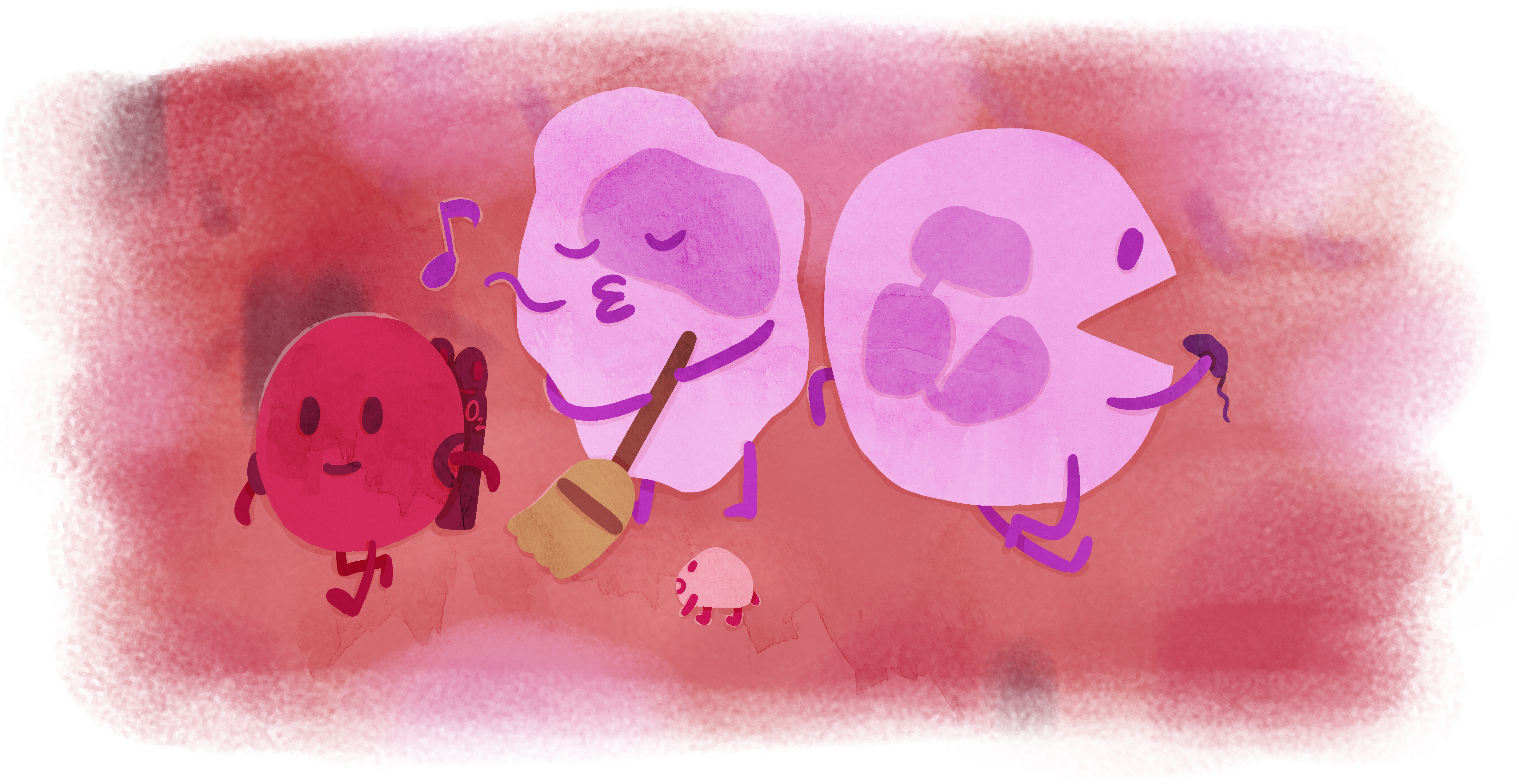
She looked up at the sea of bright red blood cells – so numerous and so enormous. Graceful and smooth, their doughnut-like shapes glided effortlessly through the vessel, delivering oxygen and carrying away carbon dioxide.2 Unlike Pippa and her ever-alert platelet pals, they seemed elegant and undisturbed. They moved in soft swirls, delivering oxygen from the lungs to the body and carrying carbon dioxide back to the lungs. She couldn’t help but admire them, so steady and sure. Pippa felt a tinge of envy though. They lived up to 120 days, while she only had 7 to 10 days to fulfill her destiny.1,2 Their longevity was a luxury compared to her brief existence.

She glanced around for others. White blood cells, including neutrophils and monocytes, bobbed along – big, blobby, and always on patrol. Though few in number, these immune cells came in all shapes and sizes, guarding the body from infection and invaders.7 Neutrophils were hard to miss, rushing toward inflammation and swallowing threats whole, leaving a mess behind like it was no big deal.2 Pippa found them brave and relentless –impressive, if a bit overzealous. She preferred the monocytes – the larger, slower, and smarter of the bunch – who cleaned up after the chaos, helping wounds heal once the battles ended.7

It took Pippa a while to get her bearings. At first, just moving through the bloodstream felt like a wild carnival ride. The heart churned everything – whooshing her through the heart, to the lungs, back again, and then out through the body. She felt a little queasy at first, but after cycling through the heart five to ten times per minute, she found her rhythm.8 The arteries were zippy and high pressure – just the way she liked it. The veins, on the other hand, were calmer… almost too calm for her taste.9

Pippa quickly learned it was best to drift along the periphery of the blood vessels, where she could follow Rule #1: Stay alert and ready and scout for any sign of trouble.3 Plus, staying off to the sides meant she didn’t have to wrestle with the red blood cells, who liked to hog the center lane.

Just when she started to feel comfortable and confident, Pippa noticed something peculiar in the artery. The flow had changed in a subtle, but unsettling way. The vessel’s surface wasn’t smooth like the healthy walls she was used to. It was sticky in places, bumpy, and uneven. Her instincts shouted, “Go!” She wanted to spring into action, but something held her back… Rule #2: Do not panic.

“Is this really an injury?” she wondered. She’d heard the hushed warnings about plaques back in Platelet Prep School. They weren’t like regular wounds. Plaques were gooey globs of fatty buildup that hardened over time, turning stiff and crusty.10 They just… sat there. Silent and strange. Bulging into the vessel like forgotten debris. If she acted too soon, she might spark a clot that blocks the artery entirely, starving the heart or brain of blood.5

So, she chose to wait, her tiny form tense and alert, hoping her human would get treatment to stabilize or shrink the arterial plaque, sparing platelets like her from accidentally causing harm. Pippa kept floating and drifting, the ticking of time pressing down on her. Five days in, and she had just a few left to fulfill her purpose. Doubts crept in – had she missed her moment? Shaking off the unease, she narrowed her focus, scanning the vessel walls with renewed urgency. “Come on,” she pleaded, “Give me something to fix.”

And then, it happened. A rupture. A breach in the smooth, endless tunnel of the blood vessel. Pippa felt it first, the sudden turbulence. Then she saw it – the jagged tear in the vessel exposing the collagen proteins behind it. Pippa had never seen such vulnerability before. The body, so vast and powerful, lay wounded. Her human was hurt and needed help and she, small, unassuming Pippa, was the one summoned to save the day.

“This is it! This is my moment!” Pippa squealed, her tiny body vibrating with excitement. She surged forward, driven by instinct. She reached the wound’s edge, planted her feet, and latched onto the breached vessel.12 Pippa stretched, strained, and reached out with all her might to anchor herself as the current pushed hard against her.1 Briefly, she thought she might be in over her head, but then she remembered Rule #3: Signal the squad! With a burst of energy, she released her signals and called her platelet pals for backup: “Help, over here!”

And they came. Dozens. Hundreds. Thousands. Together they spread to cover as much area as possible. They grabbed hands, linking together, layer after layer.1 A delicate patch began to form – thin, but strong enough to withstand the force of the flow. Pulling together, they started knitting the wound shut with their tiny bodies.12 For a moment, there was triumph. The bleeding slowed. Safety was restored. “This is why I exist,” Pippa’s inner voice whispered with pride.

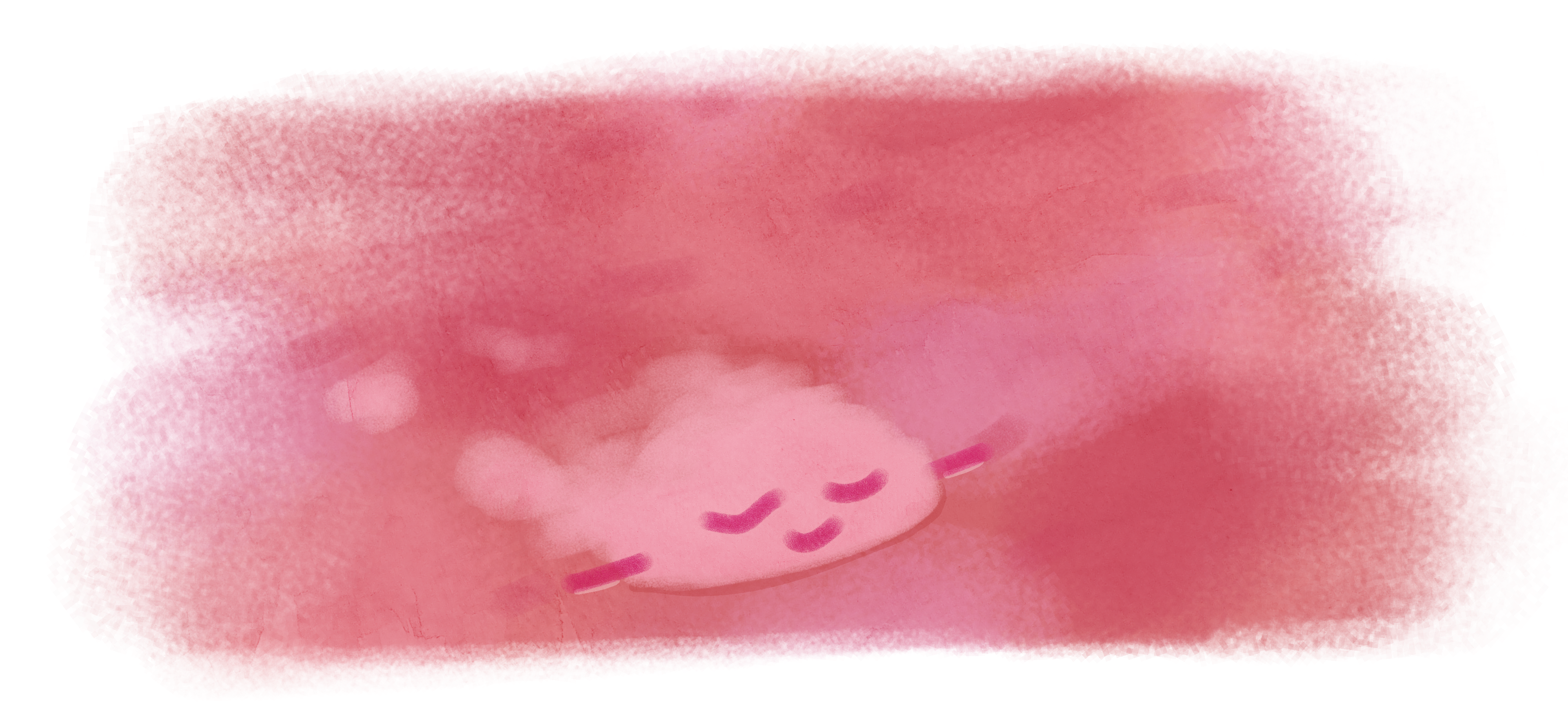
But balance is everything. More platelets arrived, sticking, stacking, growing beyond the wound itself. The lattice thickened, creeping out like ivy on a wall, and with it, doubt crept in. Pippa, buried beneath them, thought, “Stop! That’s enough!” The weight of the mass was overwhelming. What began as a delicate patch now threatened to become an obstruction. Had she saved her human’s life, or doomed it? Pippa, buried beneath the new arrivals, could only hope that balance would return. And it did.

The clot began to stabilize, and the process turned from frantic patchwork into careful construction. Fibrin mesh started to form, weaving around the platelets like scaffolding, solidifying the structure. The soft clot transformed into a firm, fibrous net – a long-term seal.11 The architecture of safety.

“I did it,” Pippa sighed with relief, “I saved the day and fulfilled my destiny.”

Pippa savored the triumph. Her mission was fulfilled, and the wound was sealed. But as healing took over, the clot began to soften, the structure loosening bit by bit. Enzymes moved in, gently dissolving the clot.13 One by one, her platelet pals were broken apart and swept away by the current. Pippa felt the tension release as her anchoring points loosen. Her body fragmented too, pieces drifting away in a peaceful surrender.14

Her human would never know of Pippa’s sacrifice. But because of her, they could continue living life to fulfill their own destiny. She remembered Mama Meg’s words, “Even if no one sees you, you make a difference.” And with that, Pippa found peace.


Krista is a pharmacology graduate student at UM, where she focuses on developing innovative diagnostics and therapies targeting platelets to prevent and treat blood clots. She is passionate about making science accessible to broader audiences and inspiring the next generation of scientists by breaking down barriers to STEM education and careers.

Our Invisible Cradle

Written by Ian McCue
Edited by Paris Riggle and Jeremy Chen
Illustrated by Satabdi Mohanty

We are surrounded by glass. From eye glasses to computer screens to church windows, the world is projected through its transparent panes. The projection of life that glass informs, either through windows or screens, profoundly shapes our perception of reality as a whole. While we have transformed our lives with this powerful transparency, the world we shaped with glass was first shaped out of quartz. To become glass, the predictably ordered molecules of quartz fall away and become locked in a state of frozen chaos, unlocking new properties in the process. This new disorganized arrangement creates space for light to pass through, turning an opaque geode into a transparent jewel. Transparency is how we have improved our lives with glass, bending light to illuminate what we cannot see. First bringing light into our homes, we then turned the clarifying power of glass upward and brought closer the light of our once hidden planetary neighbors. By turning our magnified gaze downward, a new universe emerged, much closer than any heavenly body, and boiling with life.

Beyond its modern conveniences, glass has facilitated our view of life for hundreds of years. Magnifying the secrets of biology, glass transformed microscopic life from a miasmic fog into a clarified ecosystem. Over the centuries, as we came to understand the simpler forms of life swirling around us, our perspective on the origins of life evolved in parallel. Glass, as it turns out, would be more than a mere lens for that understanding. In fact, as we crystallize our understanding of life and its origins, glass may have been shaping that journey far longer than we have been shaping it.

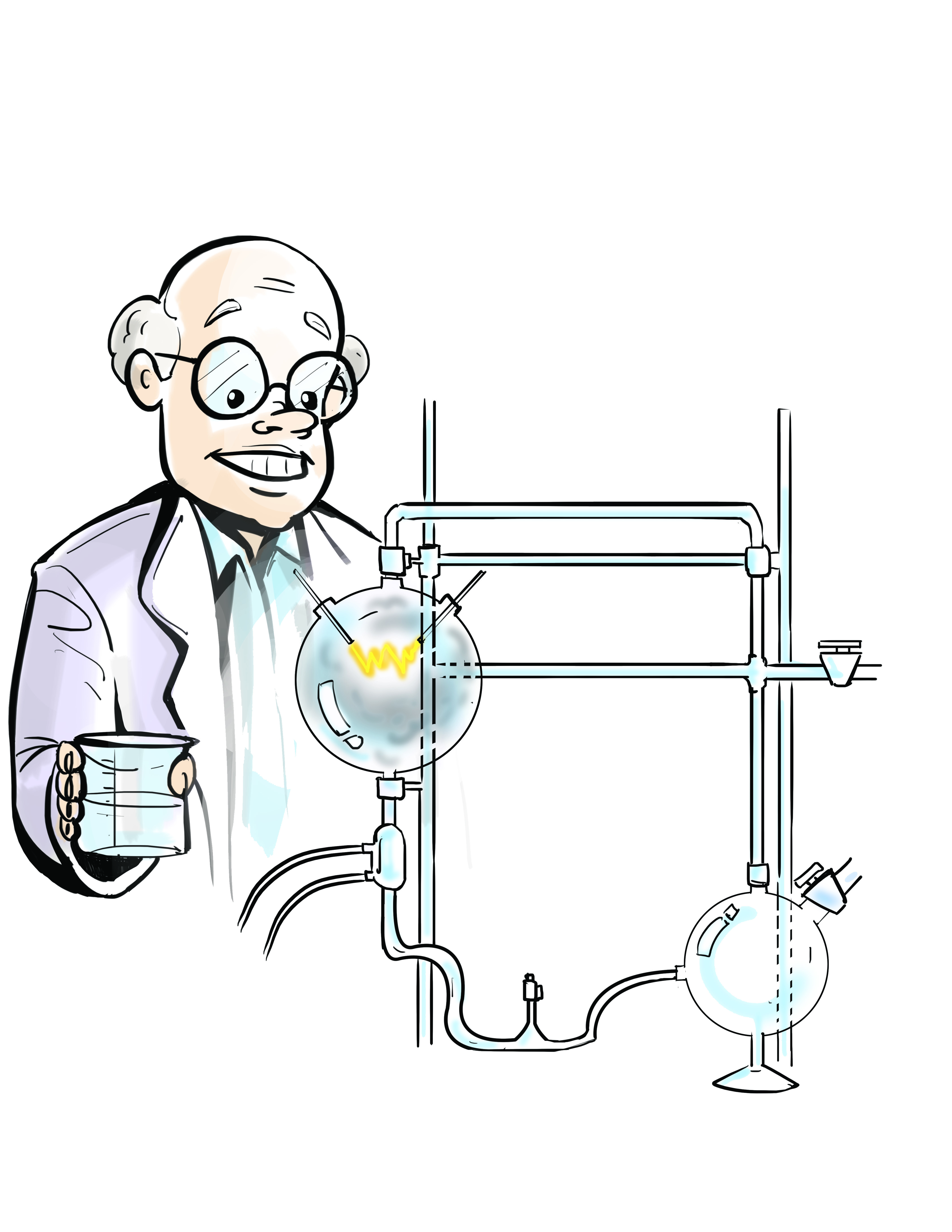
The history of life’s beginning was first written about 70 years ago. It begins with Stanley Miller, a chemistry graduate student. Stanley wondered about life’s origins after a seminar from Harold Urey about the “primordial soup” hypothesis, which suggested that the molecules of life may have emerged from simpler precursors. While the fossil record provided the ingredients for this idea, the recipe for converting molecules like ammonia into amino acids was unknown. Stanley thought he was the chef for the job, and convinced Harold to pursue this question. To simulate the conditions of an early Earth, Stanley needed a vessel that could contain an ancient atmosphere. He also needed something that would not influence the reaction by reacting with the ingredients. Ultimately, glass was the ideal material, being mostly inert to the components of the reaction and highly malleable when melted. From molten quartz, Stanley molded a chamber that could circulate the precursor gaseous, introduce the electric catalyst, and retain the potentially life-forming products. After several days, the translucent walls of his device revealed the colorless gas began to grow a brown residue in his collection flask. That somewhat underwhelming film, he would later learn, was made of amino acids, among other molecules of life.

In a glass bottle, Stanley Miller had turned non-living soup into the ingredients of life and provided a missing link between us and a lifeless universe. The versatility of transparency that glass provides, inert to both light and reactants, was the bedrock from which this discovery grew. Curiously though, this was not the first time in history that a new vision of life would peek out from behind a glass wall. It would have been difficult for Stanley to justify this experiment if he did not know life could exist on a simpler scale. What basis could he have that a primordial brew could lead to something more than the sum of its parts? It would have to be something simpler, and much, much smaller.

Stanley knew life came in a variety of sizes, the smallest of which happened to be the simplest. These simpler creatures were the most likely candidates to emerge from the chemicals pooling in Stanley’s flask, and presumably, our ancient Earth. His awareness of these creatures came from a similar revelation, insofar as it was dependent on glass. Roughly 300 years prior, Antonie van Leeweunheok, a fabric trader, took an interest in the magnifying power of glass to build a tool capable of viewing individual fibers of fabric. Antonie looked at more than textiles, however, and set his magnifying lens on pond scum and his own blood. Across the English Channel, Robert Hooke, a titan of scientific discovery, was doing the very same thing using a magnifying microscope of his own design to look at living materials like cork. Despite the similarity of their approach, history would remember them differently for what they revealed through their microscopes. Van Leeuwenhoek looked at pond scum and within it saw creatures whirling and colliding with each other. The dynamism he saw launched the study of microbiology to understand how this tiny life operates. Hooke, meanwhile, saw the periodic and identical ordering of holes in cork, and coined the term we still use today to describe the structure of life: cells. Through a glass lens two different kinds of scientists observed the same phenomenon yet saw something different in the images. This duality of Hooke’s and van Leeuwenhoek’s observations mirrors the fluidity of glass. Like the chaotic yet rigid arrangement of atoms in a glass lens, there is chaos and rigidity in life, both equally true. These parallels extend beyond the physical, for in the same way that Robert and Antonie saw different visions of life through a glass wall, Miller’s own view of life’s origins would also draw different perspectives. In fact, it was by looking through the glass walls of his flask that he missed their influence.  

When Miller designed his flask, there were compromises he had to make by using glass as a material. Specifically, glass was not perfectly inert to the chemicals it would house. The high pH of reaction, he reasoned, would be capable of leaching silica from the glass into the reaction mixture, a contamination concern that did not hold his gaze for much longer after his first publication. In 2021 however, Joaquín Criado-Reyes and his colleagues wondered how much this played a role in Miller’s findings. This is because if life emerged from a primordial soup on our ancient planet, it would have done so from a bowl with ample quartz, which would also leech silica into the reaction. To test if silica derived from glass was important for turning gases like ammonia and methane into amino acids, Criado-Reyes et al. recreated Miller’s experiment in a vessel made of Teflon. This allowed them to isolate the effect of glass on the product. The results were clear: Teflon made a poor substitute for glass when it came to recreating the origins of life.  Not only was glass more effective, adding chunks of glass to a Teflon container improved yields compared to no glass at all, isolating glass as a critical ingredient for Miller’s primordial recipe. These experiments revealed the possibility that the abundant quartz covering our planet had a role to play in the potential origins of life. That same quartz, refined billions of years later into a Miller’s flask, may have been influencing his results long before he dreamed of them. While Stanley saw glass as the set piece in a larger story, Joaquín and his colleagues saw the star of the show. Like the work of their predecessors, Hooke and van Leeuwenhoek, glass provides perspectives that require more than one pair of eyes to see. Throughout these histories, glass has been a means to an end. Whether it’s magnifying a hidden universe or illuminating the history of life, it’s just an ingredient in a much bigger recipe. The history of glass from this perspective is one that values transparency, and indeed is the quality we seek from glass as a tool for viewing.  But Criado-Reyes et al. reveals another history of glass, one that illuminates its essentiality in that history. Miller’s flask is a product of his design and influence, while his results are a product of the design and influence of glass. There is no primordial soup experiment without the right vessel, shaped in the right way.  This is the grand irony of Miller’s experiment: he both shaped, and was shaped by, his glass tools. He is not alone in that experience. We are all shaped by the glass around us. It connects our homes to the outside world, our palms to the virtual world, and our inquisitive gaze upon new horizons, be they heavenly bodies or hidden universes. The transparency of glass is both inert and active; it facilitates viewing through its passivity. In transforming quartz into glass tools, we are transformed by the insights glass reveals. Born out of quartz, we are nurtured by an invisible cradle of mutual design.


Ian McCue is a first year Ph.D. student in the Cell and Developmental Biology
program. He is a member of the Jillian Pearring lab where his research is focused on uncovering protein trafficking dysfunction in rod photoreceptors, using a variety of microscopy techniques. Ian received his Bachelor’s and Master’s degrees in Biochemistry from the University of Nebraska – Lincoln, where his thesis work investigated the potential of ultrasound as a mechano-therapy for heart disease. Outside of the lab, Ian enjoys cooking all manner of cuisines, going for long walks, and dancing!

The Marvelous Gastrointestinal Tract

Written and Illustrated by Jess Li
Edited by Emily Januck and Dana Messinger


Jess is a Ph.D. student in the Department of Microbiology & Immunology. Though their research interests have evolved toward an environmental microbiology focus, they remain fascinated by the gut microbiome and the many ways microbes affect human health. They aim to make science more engaging through fun illustrations.

Fighting in the Fields: Plant Immunity, Crop Diseases and the Battle to Feed the World

Written by Colter Giem
Edited by Amanda Bekkala and Paris Riggle
Illustrated by Adriana Brown

     Let’s take a drive.

We’ll start downtown. Somewhere in the Midwest – on the shady lawns and gridded streets of Indianapolis, or below the brick warehouses of East St. Louis. We drive in any direction; as in the rest of America, the sprawl goes wherever the cities do.1 We zip by tidy townhouses and hulking apartment complexes, which yield to cookie-cutter tract housing and gaudy McMansions, which give way to the sparse, suspicious exurbs of suburban flight. Before you know it, the road opens into the rolling fields and low hills of America’s breadbasket. Everything from the high prairies of western Nebraska to the lush foothills of the Appalachians is an almost unbroken plain of farmland.2 This is one of the most productive agricultural regions on Earth, fed by arterial rivers, hundred-mile aquifers, and the stunningly productive loess soil left behind by retreating glaciers.2 This region produces a third of the world’s soybeans and corn,* and the annual harvest can be seen from space, in great continental brushstrokes of green and brown.2,3 This expanse, along with similar stretches in Ukraine and Argentina and China, fulfills the basic goal of human civilization – providing our food.** We stop at the side of the road, by a large cornfield. It’s mid-August, and the corn isn’t ripe yet. The air is brisk and sweet, and the green stalks ripple in the light breeze.

In modern parlance, this is classic flyover country. But in truth, this is a dynamic, vibrant land, where trillions of tiny battles are waged minute by minute, where the food supply of the planet hangs in the balance. Pathogens – fungi, bacteria, parasites – are as much a scourge to plant life as animal life.4,***  The U.N. estimates that 20-30% of all food produced on farms is lost to disease every year.5,†  But as with all nature’s battles, this is a two-sided fight. Plants have evolved alongside pathogens for millennia, and they possess robust immune systems.6 It’s different from animals; plants don’t have our mobile, flexible, adaptive immunity, with its ability to detect and remember its vanquished foes. Instead, each plant cell operates an innate immune response.6 Generally, this is a two-branched system – receptors on the plant cell’s surface recognize bacterial molecules and activate first-line defenses, like deploying toxic reactive oxygen species (ROS) to kill pathogens, or depositing new material to thicken cell walls.6,7 If that fails, they switch to the second line of defense. Specialized R proteins†† recognize the effector molecules that pathogens emit and go full scorched-earth on the cell, releasing more ROS, deploying corrosive salicylic acid, or (if all else fails) initiating cell suicide.6,8 After infections, some can even acquire a kind of epigenetic immune memory (albeit much less robust than we vertebrates enjoy) and remain in a state of hyper-vigilance for life.10 Immune responses are observed across plant species – in corn, entire groups of cells commit simultaneous suicide to deter pathogens,11 while many tree species grow hardened tissue around wounds to wall them off from surrounding healthy wood.12,††† In general, these systems work; the fact that our planet wears a global coat of greenery shows that plants thrive amid nature’s onslaught.


* And 7% of global wheat – which is lower than I’d expect, given Kansas’ reputation.1
** But not for all of us. UNICEF and the WHO estimate that 2.33 billion people faced food insecurity last year, exacerbated by the COVID pandemic and the war in Ukraine.2
*** Even more so, given that plants don’t have the luxury of walking away from funny-smelling water or ominous spores.
It’s very hard to measure this, though – other global estimates range anywhere from 10% to 40%.
†† The “R”, with the creativity that scientific naming is known for, stands for “resistance.” 9
††† This process, called CODIT (compartmentalization of decay in trees) is why you sometimes see big brown blotches in old tree rings – these are areas that got walled off.12


But even with these strategies, honed for millennia by evolution’s ruthless scalpel, our crops still need help. When you look out across these fields, shading your eyes from the late-summer sun and watching the cornstalks wave, you may notice a chemical tang hanging in the air. This is just a whiff of the more than one billion pounds of insecticides, herbicides, and fungicides that U.S. agriculture consumes every year.13 Throughout the world, the chemical warfare we inflict on our food is merciless and total. The environmental impact alone is enormous: wildlife dies, rain acidifies, and coastal waters from the Gulf of Mexico to the Ganges River are contaminated for decades.14-17 But then, you might remark while watching carpenter bees flit lazily from one leaf to another, if plants have such robust immune systems, why do our crops need all these pesticides? That’s a good question,* one that has received a lot of research attention.18-21 One explanation is that modern farming practices make plants less able to resist disease. Traditionally, agriculture was focused on smaller family farms, which rotated crops out during different growing seasons – wheat one year, clover the next, letting the soil cycle nutrients and recover.22 Today, the landscape is dominated by larger farms, which produce over 80% of U.S. agricultural output.23 Overwhelmingly, the fields at these larger farms are monocropped: they grow only one crop, over and over.24,25 These plants are all genetically similar, and herbicide use lowers biodiversity even further.24 Evidence suggests that pathogens are more abundant in monocropped fields, as soils acidify and beneficial microbes die off.26-28 As a potato farmer in 1800s Ireland could tell you, this is dangerous – disease moves through monocropped fields like wildfire.


*One answer: maybe we don’t need all these pesticides, or at least not in the quantities we use them.


And the problem is getting more urgent. In recent years, as temperatures rise and globalization links different bioregions together, diseases once confined to specific areas have begun spreading worldwide.29 Maize lethal necrosis virus, first observed in Peru, now infects up to 70% of corn seeds in parts of Africa.30 Coffee leaf rust, a fungus endemic to Sri Lanka, has popped up in Brazil and Nicaragua, upending decades of confident predictions that it would never cross the Atlantic.31 Warm-weather insect species, previously held in check by the sterilizing effects of winter, are marching toward the poles as temperatures warm, threatening temperate zones.32 As they spread, these diseases change and shift: much as MRSA and E. coli develop antibiotic resistance in hospital ICUs,33 our constantly-sterilized farmland provides great selective pressure to create agricultural superbugs. One Brazilian study found that a common citrus fungus can develop immunity to fungicide in just two years.34 The coffee leaf rust that jumped the Atlantic? It’s wiped out entire farms, evading local farmers and coffee multinationals’ best efforts.31,35 Only two species of coffee plants*account for nearly all the world’s coffee, and rust kills both.35 Their identical immune systems are ripe for takeover by a disease specialized to attack them. Farmers (and their pesticides) simply can’t keep up.

The clouds are darkening on the western horizon, and a faint promise of rain hangs in the air. You look out at the cornfield, taking in the greenery. Then you notice – it’s not just corn. Interspersed with the ripening stalks are rows of low soybean plants, their pods spilling over the dark soil, and in the distance, you can see a few orderly patches of sedge and ryegrass. This farm is intercropping – growing multiple crops together on the same land. Intercropping is an ancient practice. For centuries in pre-Columbian America, the “Three Sisters,” corn, beans, and squash, were grown in the same fields, each plant strengthening the others.36-38 Today, intercropping is gaining traction among many farmers – it raises productivity, improves nitrogen fixation, and strengthens the soil microbiome, making it harder for pathogens to spread.39-41 One study from the University of Florida found that intercropping even reduces crop loss to insects.41 It’s not entirely clear why, but one hypothesis is that most destructive species are “specialists” in one crop; in multi-cropped fields, less destructive “generalist” insects are at an advantage.42 Intercropping may also provide a level of “biological control,” allowing the natural enemies of pests, like predatory insects, to keep them at bay.43 This process is key to regenerative agriculture, farming practices that mimic natural ecosystems. It works hand-in-hand with a new high-tech solution – plant immunotherapy. Derivatives of CRISPR, the Nobel Prize-winning gene editing technology, can be used to target viral DNA when it enters plant cells, or splice out the genes that viruses and fungi use as footholds to enter.44 Early results are promising – in crops as diverse as cucumbers, rice, and tomatoes, these methods induce resistance to common pathogens.44 Another strategy uses tiny interfering RNA molecules that mediate viral resistance,** engineering them into plant genomes to recognize and attack viruses as they try to replicate.45 Crops can even be modified to produce animal antibodies,46 which our immune systems use to recognize viruses.***


* Coffea arabica and Coffea canephora, or as your friend with a $300 French press will call them in his monologue about acidity and floral undertones, arabica and robusta.
** This process, called RNAi, is fascinating, complicated and still being unraveled in many systems. In humans, small interfering RNA molecules have potential applications in everything from genetic diseases to cancer research. These tiny strings of molecules can be powerful.
*** They’re called “plantibodies.” I take back what I said about scientific naming, that’s gold.


It’s raining now. One of those late-summer storms, heavy drops punctuated by bouts of low thunder, blowing through fast and hard from the west. Already, the crops look refreshed; leaves a little greener, stalks standing thirstily at attention. You get back in the car. The dirt roads turn muddy fast, and it’s best not to get caught out here for long. All around, a sea of green stretches past the horizon, a constant cycle of life and death, threat and promise. This land is a battlefield in the endless fight to feed the world. Time will tell who wins it.


Colter is a first-year Ph.D student in Molecular and Cellular Pathology, studying nuclear protein dynamics and regulation in neurodegenerative disease. In his free time, he enjoys painting and hiking around Ann Arbor, board games with friends, and trying (and mostly failing) to like running.

It Gets Better: A Sensory Tale of Spice

Written by Kayla Moehn
Edited by Deanna Canizzaro and Amanda Bekkala
Illustrated by Danny Cruz

Growing up, I loved visiting local restaurants with my family, and these shared meals were usually quite eventful.

In New Mexico, the start of most meals is marked by the waitress placing a basket of freshly baked tortilla chips and red serving dishes filled with salsa on the table. It’s understood that the salsa is for adults because it can be very spicy. However, that doesn’t always deter kids from wanting to be like the grown-ups, and I was no different.

As a child, I remember bravely taking a chip and submerging it in salsa before my parents could move it away.

“Oh no! Be careful, KK. That is very hot and for grown-ups only,” my mother warned.

I wanted to be like my parents, though. I may have only been five, but I wanted them to know that I was not a baby. Against my mom’s advice, I shoved the salsa-soaked chip in my mouth. Tears streamed down my face as an intense burning pain filled my mouth. “Ouch! Mommy, this hurts,” I sobbed. I didn’t understand why she and my dad could enjoy something that caused such discomfort in my mouth.

My parents both chuckled while my dad handed me the bottle of honey on the table. Quickly, I squeezed a dollop of honey onto a new tortilla chip and shoved it into my mouth. I kept shoveling honey-coated chips into my mouth until the sweetness of the honey overpowered the unpleasant spiciness of the salsa. Finally, my mouth felt normal again, and a smile found its way to my face as I savored a New Mexican staple for children who are deemed unready for spice.

Eventually, the waitress returned to our table to take our orders. “Red or green?” she inquired. Every New Mexican understands the meaning of this question.  She wanted to know if I wanted red or green chile smothered over my meal, a New Mexican tradition.

“She will have neither,” my mother chuckled. 

As a child and then adolescent who struggled with eating like a “New Mexican”,I wondered why chile induced such profound pain in my lips and tongue while sparing others. Were others just pretending to like it?

This question continued to simmer in my mind until college, where I majored in genetics at New Mexico State University – home to the Chile Pepper Institute (CPI). The CPI is an international leader in the science of spicy foods. During a class field trip to the CPI’s teaching garden, I first started to uncover some of the answers to my burning questions.

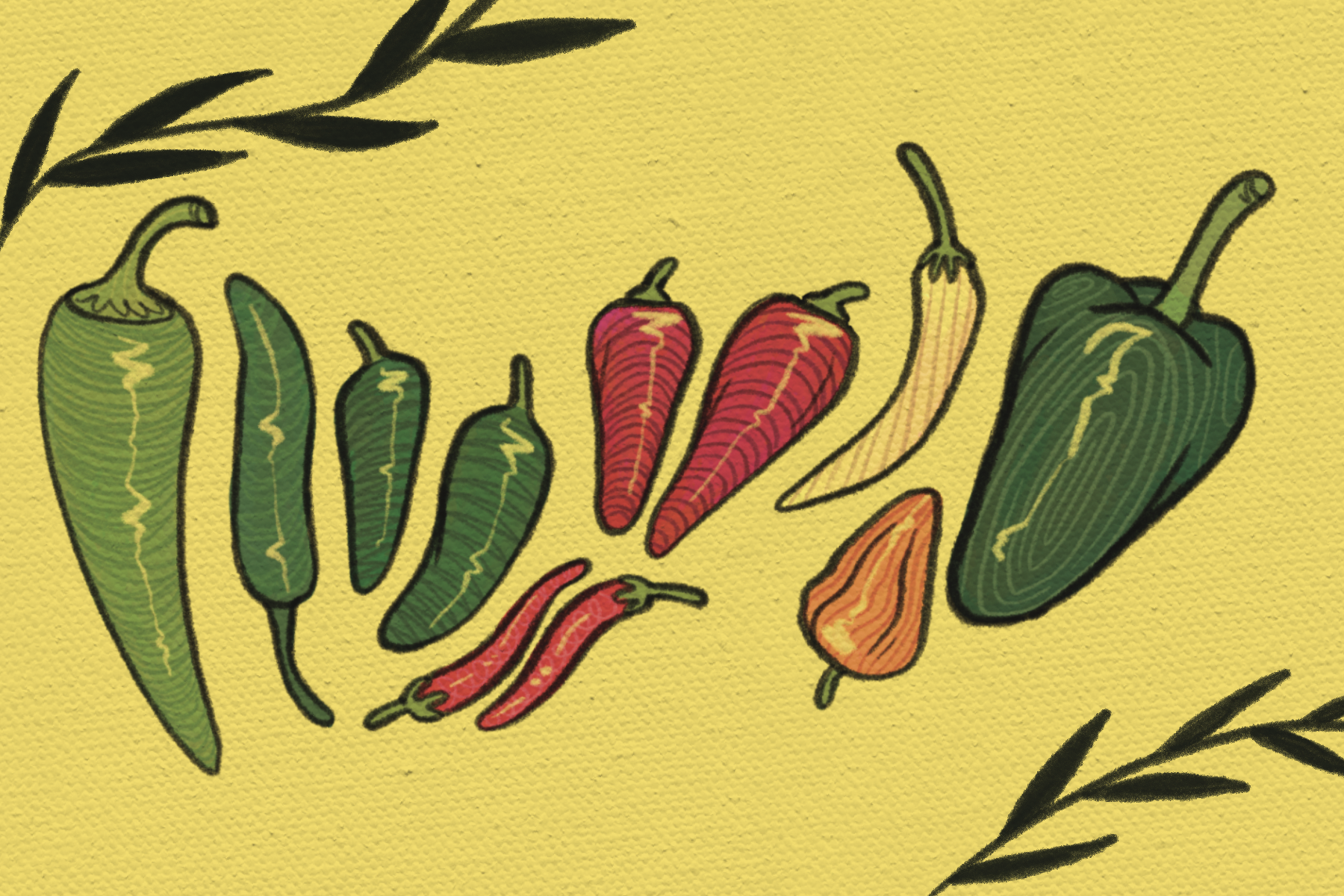
There, surrounded by rows of colorful, sun-soaked peppers, I discovered how scientists carefully breed chiles to craft unique flavors and heat profiles. The diversity of chile was evident in the 150 varieties throughout the garden that varied in size, color, and flavor. Some peppers had small purple fruits packed with high levels of spicy capsaicin – the chemical responsible for inducing the burning sensation that haunted me at family dinners – while others had larger and sweeter fruits with no traces of capsaicin.1 The most commonly grown chile varieties in New Mexico belong to the Capsicum annuum species, which includes New Mexico chile pepper varieties, along with paprika, jalapenos, and cayennes.2 These varieties contribute to the trademark smokey, spicy, and sweet flavor of New Mexican cuisine and differentiate it from the spicy cuisine of other cultures.

My field trip to the CPI teaching garden left me with much to contemplate. Chile peppers were more than just the red and green spicy nuisances of my childhood dinners – they were carefully cultivated and culturally sacred.

Still, knowledge of the wondrous diversity of chile peppers didn’t erase the sting.

One morning in college, I remember sitting outside with my friends at a restaurant under the sunny New Mexican skies. A basket of chips and a variety of green and red salsas sat on the table. To an outsider, this looked like the perfect day, however, I was feeling a little nervous.

My friends quickly started to snack on salsa-covered chips. Before I knew it, everyone was sharing their opinions on the four different salsas that sat on our table. I grew increasingly anxious that everyone was about to discover my sensitivity to spice. In that moment, I was transported back to being the five-year-old who wanted nothing more than to fit in with the others around the table.

“Kayla, you’ve been awfully quiet…which salsa is your favorite?”

My heart was racing. I desperately wanted my friends to think that I could handle the heat. I grabbed a chip and dipped it in the green salsa. “I think I like this one,” I said shakily as I shoved the chip in my mouth. Almost instantaneously, an alarm sounded in my mouth as the tiny capsaicin molecules in the jalapenos dispersed onto my tongue.

Against my better judgment, I grabbed a cold glass of water and tried to feign nonchalance. This only made the pain more intense as capsaicin – which does not dissolve well in water – spread more widely around my mouth.3 Sensory neurons throughout my mouth began to fire nonstop, inducing this uncomfortable sensation.

Unlike neurons in the brain, sensory neurons are packed with special detectors that enable them to sense hot/cold, chemical compounds like capsaicin, and touch.4 Surprisingly, the identity of the capsaicin-detecting receptor remained a mystery to scientists for a long time. It was not until 1997 that Dr. David Julius and his research team discovered the molecular blueprint and structure of the detector and later named it TRPV1 (pronounced trip-VEE-wuhn).5,6 Since its discovery, researchers have found that TRPV1 can detect more than just capsaicin, including hot temperatures and acidic pH.7,8

When capsaicin binds to TRPV1, the detector changes shape, similar to a key (capsaicin) unlocking the door (TRPV1) to your home (neuron). Instead of letting people through, TRPV1 opens to allow positively charged ions like calcium and sodium to rush into the neuron. This influx of positive charge causes the neuron to send an electrical signal to the brain that is interpreted as a painful, burning sensation.9

As a college student, I was unaware of the details of this molecular dance, and frankly, all I was concerned with was fitting in with my friends. Throughout the meal, I did my best to hide my pain, as I continued to cautiously eat just enough salsa-coated chips to deter any suspicion that I was an impostor.

Towards the end of my meal, I noticed something strange.

As I continued to eat more salsa, the alarm bells in my mouth lessened. I still felt uncomfortable, but the bite of the salsa stung less. Slowly, I started to notice the earthy and somewhat citrusy flavors of the jalapenos and tomatillos in the salsa. Is this why my family and friends enjoyed eating spicy foods?

It was not magic that made the burning sensation slowly fade. This phenomenon – called neuronal desensitization – occurs when sensory neurons that express TRPV1 become less responsive to capsaicin after repeated exposure.10 This is similar to when you enter a cold pool. At first, you might feel a lot of discomfort, but eventually your body becomes accustomed to the temperature and your cold-sensing neurons stop firing.

It remains an open question about how desensitization to capsaicin occurs, but scientists have some ideas.6,9 One hunch is that continued capsaicin detection and neuronal firing are taxing on the neuron and deplete its resources. As a consequence, the neuron may either become less responsive to replenish its supplies or die.

As I left the meal with my friends, I felt newly empowered to take on the spicy world of New Mexican food. With each spicy encounter, the sensory neurons in my mouth that detect capsaicin began to change. They gradually became less sensitive to the heat, allowing the complex and rich flavors of New Mexican food to shine through more clearly. Increasingly open to trying spicy foods, I left college not only with a tolerance for spice but also a larger appreciation for my culture’s cuisine.

Motivated to learn more about sensory neuroscience, I moved to Michigan to pursue my PhD and serendipitously joined the lab of Dr. Joshua Emrick, who trained under the mentorship of Dr. Julius, the scientist who uncovered the identity of TRPV1 (and later won a Nobel Prize for the discovery). My passion for understanding sensory receptors and neuroscience as a whole has allowed me to explore a new perspective of New Mexican cuisine, even far from home.

Here, I often find myself with new friends from the Midwest who have yet to be accustomed to spice. As we enjoy a meal together, they eye a bowl of salsa with suspicion. I dip a chip generously, smile, and say, “This isn’t spicy at all!” A glimmer of courage flashes in their eyes as they take a chip and give it a try. They try to hide their wince.

“It gets better. I promise.”


Kayla is a neuroscience PhD student on a quest to understand how the nervous system lets us sense the world. In the lab, she develops novel ways to study tooth and other orofacial pain in rodents. Outside of science, she enjoys golfing, watching Breaking Bad, and spending time with her boyfriend and two adorable cats, Dewey and Peanut Shell.

Unlikely Allies: Using Viruses to Improve Human Health

Written by Matthew Blacksmith
Edited by Emily Januck and Alex Ford
Illustrated by Danny Cruz

Imagine you are in a classroom, sitting at your desk, and it is the middle of winter. The teacher is giving a lesson and as you look around, you see red noses and tired eyes. As you listen, you hear sniffles and coughs. These sniffles and coughs represent a battle occurring on a scale too small to see. The cells of your body fight to keep you healthy, while viruses, bacteria, and other germs fight to use your cells to reproduce. Viruses exist on the spectrum between being alive and dead. Unlike living creatures, they are not able to reproduce on their own. Instead, they inject your cells with virus DNA and proteins. These viral components hijack the ordinary functions of your cells to turn them into a viral factory. Much like a double agent, these cells will copy virus genetic code, produce virus proteins, and assemble them together to generate new viral copies that are every bit as infectious as the original. From there, viruses can cause the cell to rupture, releasing the newly produced viral particles in a chain reaction to infect nearby cells.1

              Off the top of your head, you can probably think of various diseases caused by viruses. The viruses that cause smallpox, chicken pox, and most recently, COVID-19 make humans sick as part of their viral “life” cycle. These and other viruses have been an enormous burden to society and human health across history. Smallpox alone was responsible for over 300 million deaths during the 20th century, and was considered such a public health emergency that the entire world banded together to eliminate smallpox entirely.2 Thanks to vaccine technologies developed to fight it, there have been no naturally occurring cases in nearly fifty years, making the smallpox virus the first and only human disease that has been eradicated from face of the planet.3,4

Human ingenuity may have utilized vaccines to eradicate smallpox, but there are many other diseases for which vaccines may not be effective that still require time, attention, and resources to combat effectively. One such example is the bacterium Mycobacterium tuberculosis, which is responsible for the disease tuberculosis.5 While it is frequently thought of as a disease of the past, over 10 million people contracted symptomatic tuberculosis in 2023. 6 Even more astoundingly, approximately one out of four people are infected with tuberculosis at some point in their life.6 While tuberculosis can be cured with antibiotics, the treatment is extensive and requires continuous medication for months or even years.7 Unfortunately, 450,000 people in 2021 were infected by strains of tuberculosis immune to the antibiotic rifampicin, a first-line anti-tuberculosis treatment.8 As more and more diseases grow resistant to antibiotics and other medicines, new treatment avenues must be explored.

Drug resistant tuberculosis is only one example of the growing wave of infectious diseases that are developing antimicrobial resistance. When they do, treatment becomes more difficult and the human cost of disease increases.9 Over a million deaths worldwide can be directly attributed to disease variants that are antimicrobially resistant. In addition to the loss of life, it is predicted that by 2050 between $330 billion and $1 trillion of additional healthcare costs will be incurred annually.10 The fighting of antimicrobial resistances is a priority worldwide, and many standard practices are being adopted, such as maintaining good hygiene, prescribing antimicrobials judiciously, and taking the full course of antibiotics.11 However, none of these factors matter when someone already has a disease caused by a pathogen with antimicrobial resistance. This conundrum has left scientists around the globe to ask: in this microscopic arms race, what new treatments can be developed to fight disease?

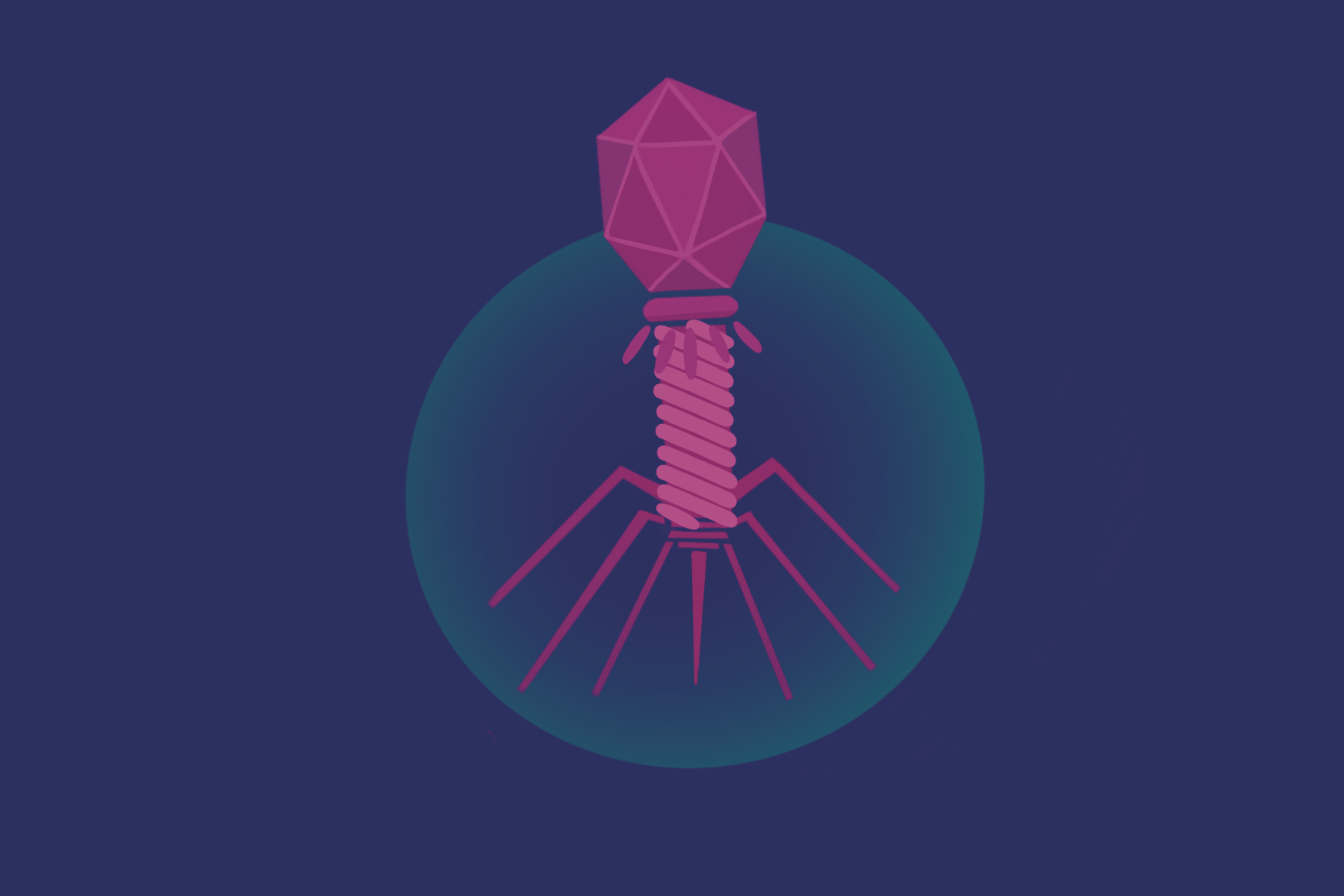
Enter: the bacteriophage. Unsurprisingly, not all viruses prefer human cells as targets. Some selectively infect animals, plants, fungi, and even bacteria. The scientific name for a virus that infects bacterial cells is a “bacteriophage.” Bacteriophages represent an important part of the microscopic world around us. Just as the varicella-zoster virus infects our cells to yield chicken pox, bacteriophages infect and kill bacteria such as tuberculosis. If it seems like a strange idea to weaponize viruses against disease causing bacteria, it may be worth remembering the saying: the enemy of my enemy is my friend.

Let’s put you in the shoes of a scientist looking for bacteriophages to treat tuberculosis. How would you start? One thing to remember is that most bacteriophages only infect a single species of bacterium, so not just any bacteriophage will do. A good first step is to take a Petri dish covered in a layer of bacteria food and cover it with purified Mycobacterium tuberculosis. This will create a bacterial “lawn”. You can then drop small amounts of bacteriophages onto the lawn until you find one or more that kill the bacteria on the plate. However, just because the bacteriophage works on cells in a dish doesn’t mean that they will work in the human body. In a 2024 study, two bacteriophages were found to kill Mycobacterium tuberculosis on bacterial lawns. When progressing to later experiments, one bacteriophage strain called DS6A showed continued promise in the testing of human immune cells. Even more interestingly, after exposure to Mycobacterium tuberculosis mice treated with bacteriophage DS6A showed more weight gain than those with no treatment, a sign that the treatment was at least partially successful.12 The DS6A bacteriophage makes an excellent candidate for further testing to improve human health.

While the FDA hasn’t yet fully approved any bacteriophage therapy, that isn’t to say that bacteriophages have never been used in humans. In 2015, Tom Patterson was enjoying a cruise while traveling with his wife, Dr. Steffanie Strathdee. While abroad, he became sick and ultimately developed a large abscess which was infected with a strain of antibiotic-resistant Acinetobacter baumannii. In a stroke of luck, his wife worked as an epidemiologist and used her expertise to acquire bacteriophages which might work against Tom’s condition. After receiving emergency special permission from the FDA, custom bacteriophage “cocktails” were prepared. Tom was on the verge of death when the bacteriophage cocktails were injected into his bloodstream and abscess. In a near miraculous turn of events, he awoke from his coma and has lived for years after being treated.13,14 Despite being only a single case, Tom’s amazing recovery serves as an example that bacteriophages can be used to treat infections, improve outcomes, and save lives.

Tom’s case is representative of a growing number of bacteriophage therapies that are personalized to the needs of a single patient. A review of one hundred patients who received personalized bacteriophage therapies found that over 75% of infections showed clinical improvement after bacteriophage treatment. Interestingly, bacteriophage treatments used in combination with antibiotics were more likely to be successful than bacteriophages alone, showing that bacteriophages can be used with existing treatments rather than solely as a replacement.15 However, before being ready for widespread use, bacteriophage therapies will have to pass through clinical trials. Clinical trials exist to prove that new treatments are safe and effective at treating a condition.16 Numerous trials are investigating if bacteriophages can treat ventilator associated pneumonia, diabetic foot osteomyelitis, urinary tract infections, acute tonsillitis, infections of prosthetics, and many other conditions. 17-18 In fact, over 40 clinical trials of bacteriophage treatments are currently underway in the United States and another 50 are ongoing around the world.19 Time will tell how many of these treatments will be successful enough for widespread use.

As with all medical treatment, bacteriophages have some limitations and potential side effects to consider as well. Bacteriophages do not infect human cells but our immune systems can still identify and attack them, potentially leading to inflammation.20 Furthermore, just as bacteria develop resistance to individual antibiotics, they can become resistant to one or more bacteriophages.15 And not all bacteria have known bacteriophages which can infect them.21 This means that at least for now, bacteriophage therapy has room to develop before it’s ready for the big leagues.

Keeping both the pros and the cons in mind, bacteriophages show great promise as an unlikely ally against bacterial diseases. In addition to being injected into the bloodstream, they may be used topically to treat skin infections and burn wounds, orally to treat gastrointestinal illnesses, or inhaled to treat respiratory diseases.22 In the arms race between humans and disease, bacteriophages represent a new weapon that may be available soon to continue the fight against bacterial infections. Medical treatments that haven’t been discovered or approved yet have the potential to keep kids healthy, combat antibiotic resistant diseases far into the future, pair with existing treatments to enhance their effectiveness, and ultimately save lives. What was a miraculous cure for Tom Patterson may one day be an everyday wonder in our medical arsenal against bacterial diseases.


Matthew Blacksmith is a PhD student in the Department of Human Genetics studying canine mobile elements in the labs of Drs. Jeffrey M. Kidd and John V. Moran. In his free time he enjoys board games, video games, and walking his dog at local parks.


References:

  1. Virus Definition. Scitable by Nature Education, Nature website
  2. Simonsen and Snowden. Smallpox. National Center for Biotechnology Information website (2023)
  3. About Smallpox. Center for Disease Control website (2024)
  4. Smallpox. World Health Organization website
  5. Delogu et al. The Biology of Mycobacterium Tuberculosis Infection. Mediterranean Journal of Hematology and Infectious Disease (2013)
  6. Tuberculosis. World Health Organization website (2025)
  7. Treating Tuberculosis. Center for Disease Control website (2025 )
  8. Global tuberculosis report. World Health Organization (2022)
  9. Antimicrobial resistance. World Health Organization website (2023)
  10. Drug-Resistant Infections: A Thread to Our Economic Future. World Bank (2017)
  11. Antibiotic Resistance. National Foundation for Infectious Diseases website (2024)
  12. Yang et al. Bacteriophage therapy for the treatment of Mycobacterium tuberculosis infections in humanized mice. Communications biology (2024)
  13. Lamotte. No antibiotics worked, so this woman turned to a natural enemy of bacteria to save her husband’s life. CNN website (2023)
  14. Schooley et al. Development and Use of Personalized Bacteriophage Based Therapeutic Cocktails To Treat a Patient with a Disseminated Resistant Acinetobacter baumannii Infection. Antimicrobial Agents and Chemotherapy (2017)
  15. Pirnay et al. Personalized bacteriophage therapy outcomes for 100 consecutive cases: a multicentre, multinational, retrospective observational study. Nature microbiology (20 24)
  16. Clinical Trial (Clinical Study). Cleveland Clinic website (2024)
  17. Sawa et al. Current status of bacteriophage therapy for severe bacterial infections. Journal of Intensive Care (2024)
  18. Hitchcock et al. Current Clinical Landscape and Global Potential of Bacteriophage Therapy. Viruses (2023)
  19. Balthazar. Phage therapy: Researchers sharpen another arrow in the quiver against antibiotic resistance. Statnews website ( 2024)
  20. Phage Therapy for Multidrug Resistant Bacterial Infections. Cleveland Clinic website (2019)
  21. Bacteriophages and their use in combating antimicrobial resistance. World Health Organization website (2025)
  22. Vila et al. Phage Delivery Strategies for Biocontrolling Human, Animal, and Plant Bacterial Infections: State of the Art. Pharmaceutics (2024)

Natural Lines of Fracture

Written and Illustrated by Oanh Luc
Edited by Alex Ford and Deanna Canizzaro

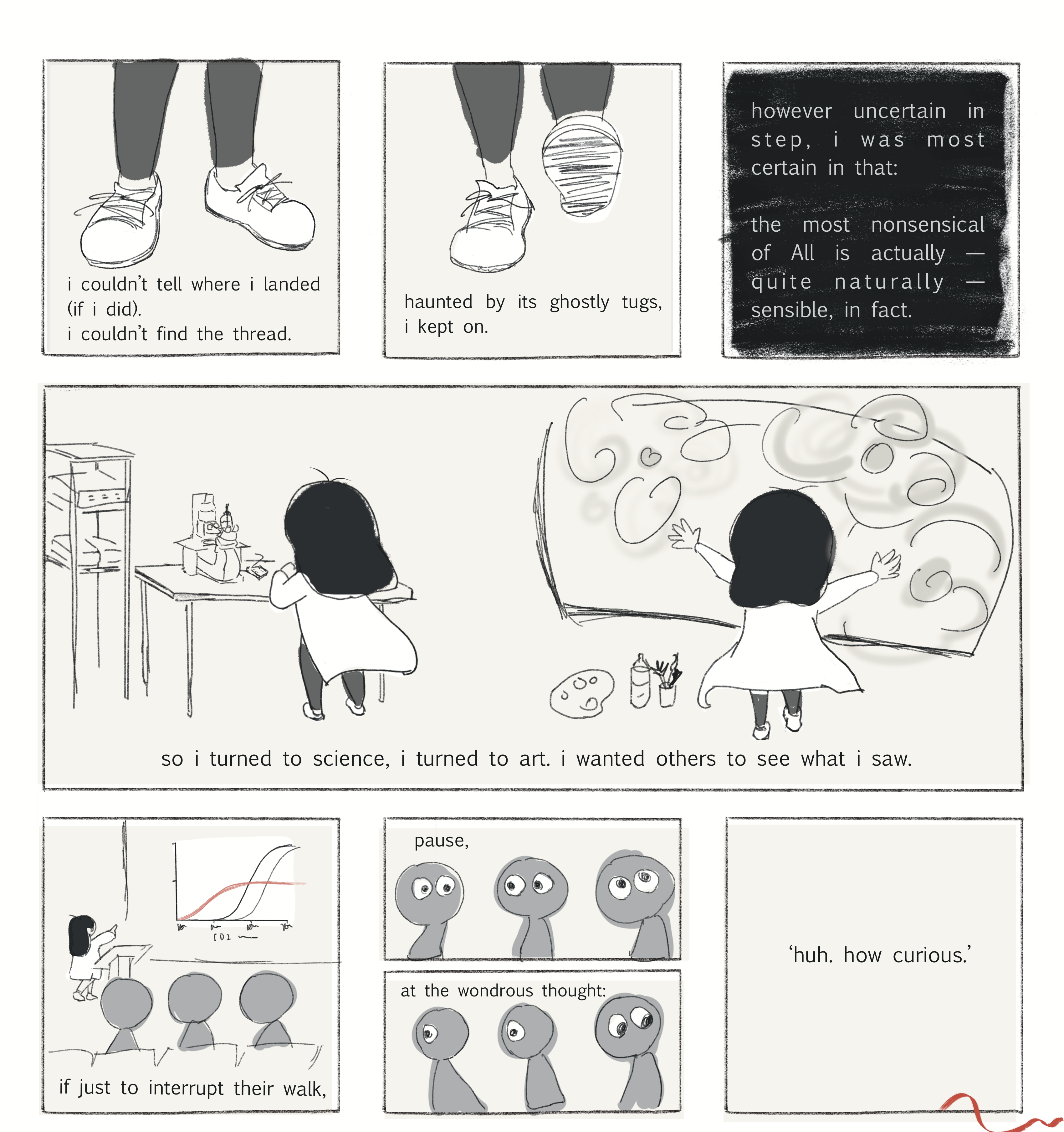
Some inspirations:

  • Title: B. F. Skinner (1935) in The Generic Nature of the Concepts of Stimulus and Response.
  • Thread (pg 2): Top: An ode to our laboratory friends. Left: Cardiac action potential. Middle: Graphs of platelet aggregation (e.g., Michael Holinstat lab in Pharmacology). Right: Ionic current trace. Bottom left: Cumulative records for fixed ratio and fixed interval schedules of reinforcement.
  • ‘the most nonsensical of All…’ (pg 4): Albert Einstein wrote in 1936, “The very fact that the totality of our sense experiences is such that by means of thinking (operations with concepts, and the creation and use of definite functional relations between them, and the coordination of sense experiences to these concepts) it can be put in order, this fact is one which leaves us in awe, but which we shall never understand. One may say ‘the eternal mystery of the world is its comprehensibility.’”
  • Bottom left panel (pg 4): Dose-response curve

Oanh Luc is a graduate student in pharmacology. She is keeping on.

Letter from the Editors – Edition 4

Kate Giffin, Claire Shudde, and Nick Jänne

Dear Readers, 

In our fourth edition of EquilibriUM, we asked our contributors to explore their everyday wonders – commonplace experiences in life that, despite being so regular, provoke curiosity, examination, and awe.

The beauty of an everyday wonder extends far beyond itself. It is an opportunity to learn something new, to share a story, or to create with what has already been created. Most surprising in this edition of our magazine is the degree to which the everyday wonders presented are both wholly disconnected from one another in subject and form, but unified in turning a small experience into something beautifully enormous. The creators found wonders in the most everyday experiences, from the sidewalks we walk upon (Sidewalk Cracks) to our perception of colors (Invisible Rainbow) and the glass that splits the rainbow (Invisible Cradle), then tied it all together with both science and art (Natural Lines of Fracture). They explored our food, from the battle to keep crops healthy (Fighting in the Fields) to cultural and sensory neuroscience (Science of Spice) to the journey of food through the body (The Marvelous Gastrointestinal Tract). They dived deep into protecting our bodies, both our internal defenses (Life on the Edge) and cutting-edge biomedical advances (Unlikely Allies). To add to this year’s magazine, each contributor had to do three distinct things: wonder, create, and share. We would like to take this opportunity to expand on the process of all three. 

Wondering is a human impulse, something that is fundamentally designed for and performed by everybody – of all ages and walks of life. Some may wonder more than others, some may have internalized that they don’t wonder at all, or that wondering isn’t “for them,” but we all experienced the immersive joy of being curious. 

Many wonders are left unanswered, but many too, sprout a drive for artistic, academic, or whimsical creation. You will find a wide variety of mediums and formats in this magazine that highlight our authors and illustrators’ unique methods of creation – paintings, comics, short stories, explainers, and more. To create is to turn an idea into your idea. But know this: the ownership and pride that comes with creation is in the choice of getting started, not the medium you use.

Some people choose to share their creations with the world, and others don’t. Either way is fine by us, but we all three can attest to the delight of enjoying the works of others. It is precisely why we are so committed to this magazine as members of the editorial staff. Sharing your work with the world is akin to the gentle touch of “I like this, and I thought you might, too.” It is an invitation to see the wonders of the world through another person’s eyes. And what a beautiful thing that is if we can hold onto it. 

Wonder, create, and share.These three behaviors are not special to us because they fit the requirements of our magazine this year, rather, they underpin a vast majority of what connects us to one another. Importantly, they also stand as the reasons why many pursue scientific research – at least before the year 2025. More and more, we are watching the foundation of science in the United States be shattered by a sledgehammer in the name of efficiency. 

We cannot have Nobel laureates and Fields medalists without little astronauts and paleontologists searching for extraterrestrial or prehistoric life in the backyard with the dog. We cannot have life-saving medications, world-saving climate solutions, or peaceful communities if science is denied and scientists are silenced. Research funding, immigrants, and support for scientists from all backgrounds enables the scientific advancements that come from wondering, creating, and sharing. We cannot stand on the world stage as curious, impactful researchers devoted to the common good once “curious,” “common,” and “good” have been stripped from the script. These words are being pried loose by billionaires and lawmakers still struggling to muster the wonder required to understand the very science they threaten. Safety, including physical, mental, and financial security, is required to be able to wonder and explore science to the fullest. While this edition is overwhelmingly joyful, we want to take a moment to emphasize the existential threats facing our work as scientists and community members. There is much work to be done to defend these wonders. 

We hope that by reading our contributors’ work, you exercise the courage to participate. We believe that wondering, creating, and sharing, is and should be for everybody, as it always has been. If you find an idea in our magazine, on your trip home from work or school tomorrow, or anywhere else that you may be, ask yourself the following: where did this come from? What could I do with it? Who could I tell this to? Results to all three will be surprising. We also hope that as you encounter science in the news, you think back to us and how the bright minds of tomorrow are reliant on the policy of today.

Thank you for reading and supporting our magazine. As long as we are able to, we will continue to pour fuel on the beautiful curiosities of others in the pursuit of wondering, creating, and sharing.


Among other things, Kate Giffin (center) is a PhD candidate in neuroscience. In the lab, she studies how severe infections can lead to long-term brain issues like dementia. She is
passionate about telling scientific stories through unexpected genres, particularly poetry, to expand the way people think about science and the world. When Kate is not marveling
at the everyday wonder of the brain, she is probably outside marveling at some strange plant.


Claire Shudde (right) is a Ph.D. candidate in pharmacology studying the everyday wonder of the immune system and how it can fight cancer and autoimmune disease. Outside of
the lab, she enjoys dancing, reading, and editing a friend’s novel. She hopes people leave this magazine with more awe for the world around them.


Nick Jänne (left) is a PhD student in Robotics, researching how robots can improve their scope of capabilities in the real world by learning from humans. He also hopes to one day
build human habitats on the Moon and Mars using a team of robots and humans. Nick received his Bachelors of Computer Engineering degree from the University of Michigan in
2023, and has a passion for reading and writing on the next generation of artificial intelligence.


Photography by Paola Medina-Cabrera
Sidewalk Cracks

Cover concept and art: Shreya Mishra
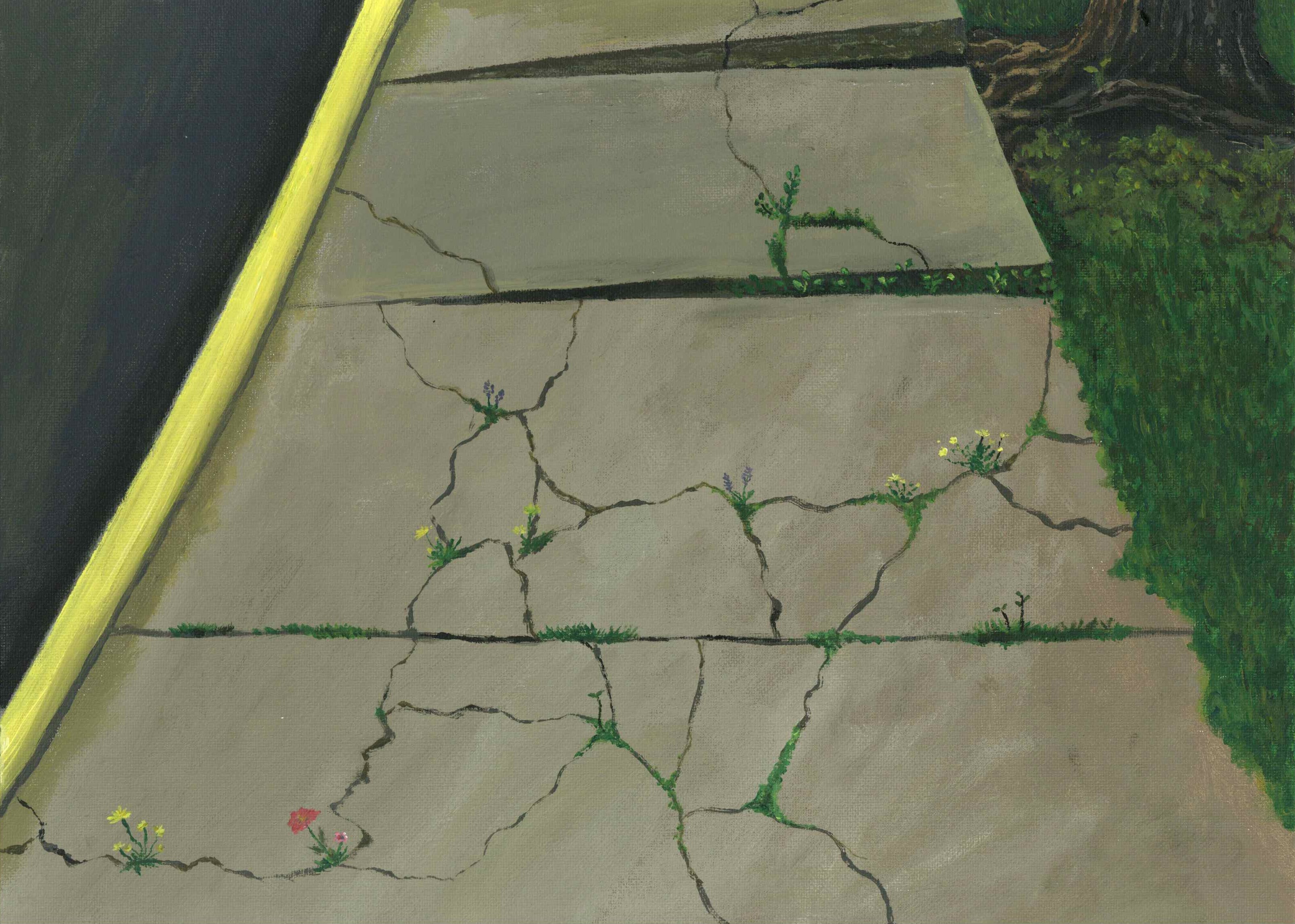
Despite human interference, nature can and will push through. If we slab a concrete path down, over time the strength of surrounding tree roots will overpower the path and break through. Little yellow flowers will find themselves pressing up through the cracks, reaching toward the sun. And while I may trip over those cracks, I’m always in awe of how resilient nature is. I wanted to capture that quiet, persistent power in this piece. In the top right corner, an old-growth tree reclaims its territory, uprooting the sidewalk as it stretches outward. You’ll find the grass and moss inching its way through the cracks in the path. Despite the concrete’s water-leeching properties, you’ll see colorful flowers sprinkled throughout.
I hope this piece inspires people to look down as they walk to class or work and notice what’s growing in the cracks. Nature’s resilience is not only beautiful, it’s instructive. I hope it encourages viewers to support efforts to help our planet thrive and to take climate action seriously. Sustainability isn’t limited to one discipline. It’s a mindset, a value, and a responsibility we can all carry, no matter what field we’re in.

EquilibriUM 4 Cover Art

Shreya Mishra is a second-year master’s student in Environment and Sustainability at the University of Michigan, with a focus on climate resiliency and adaptation. She is passionate about the intersection of art and science, using painting as a medium to spark inspiration and create space for optimism and hope in the face of environmental challenges.